

Key Takeaways
- Smooth, anticipatory driving reduces fuel consumption and lowers wear on brakes and tyres.
- Correct tyre pressure is one of the cheapest and highest-impact maintenance habits available to any driver.
- Sticking to a scheduled service interval consistently prevents minor issues from becoming expensive repairs.
- Tracking running costs annually helps you spot overspending before it compounds.
Why Habits Matter More Than One-Off Fixes
Car ownership costs in the US typically run well beyond the sticker price - fuel, insurance, tyres, servicing, and depreciation all add up across the year. Many drivers focus on one-time savings (shopping around at renewal, for instance) while overlooking the daily habits that quietly inflate or reduce those totals over time.
The good news is that several of the highest-impact cost-control strategies require no special tools and cost nothing to implement. They rely on consistency, not expertise. Our vehicle running costs reference guide breaks down where the money typically goes - the habits below target each of those categories directly.
“The cheapest repair is the one that never happens. Consistent small habits - checking fluids, tyre pressure, listening to your car - prevent the majority of avoidable breakdowns.”
— AAA Automotive Research, Vehicle reliability and breakdown research body
Driving Habits That Directly Affect Your Costs
How you drive is as consequential as how often you service your car. Aggressive acceleration and hard braking are among the fastest ways to increase fuel spend and accelerate component wear simultaneously.
Accelerate gradually and brake early to reduce fuel and component wear.
Hard acceleration burns significantly more fuel per mile than steady, anticipatory driving. Repeated harsh braking wears brake pads faster and transfers stress to rotors, increasing replacement frequency and cost.
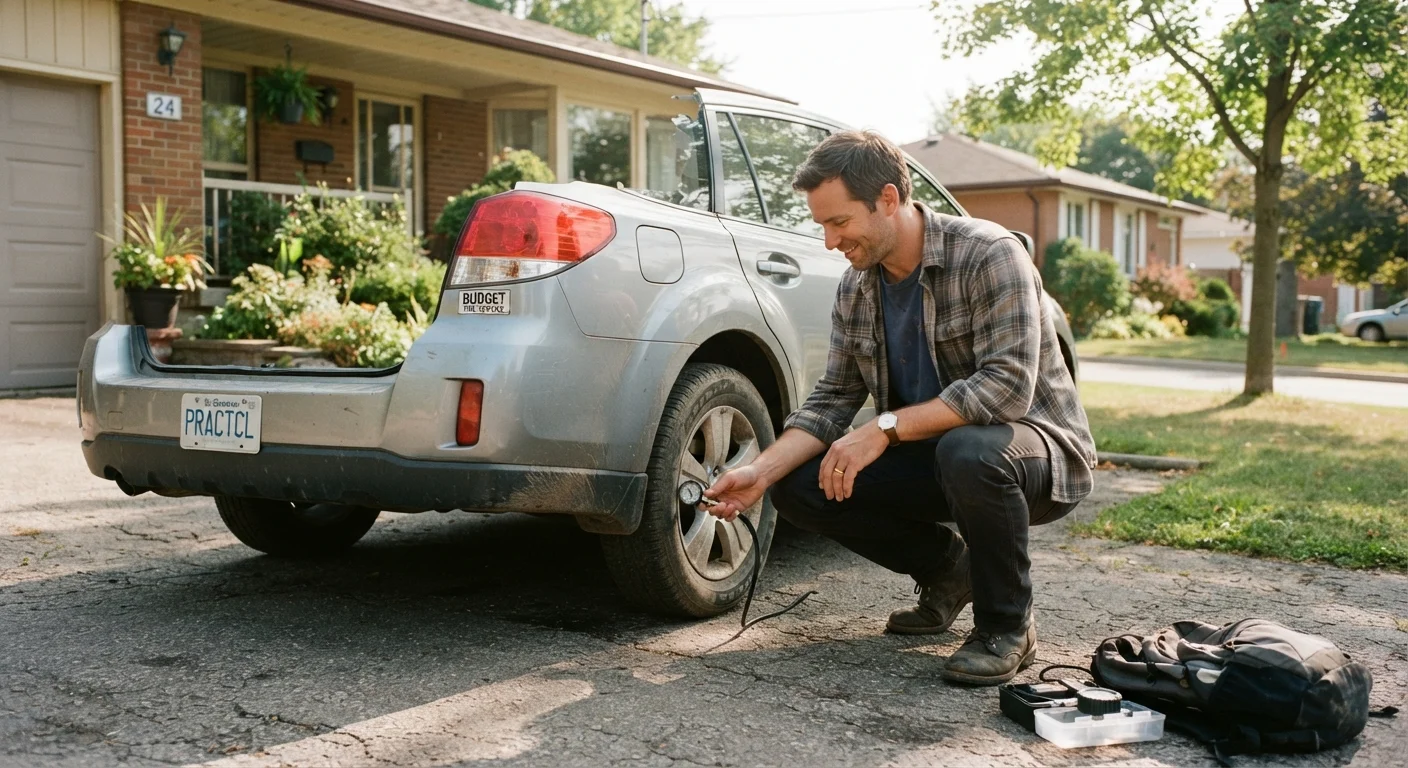
Check tyre pressure at least once a month and before long trips.
Under-inflated tyres increase rolling resistance, which raises fuel consumption. They also wear unevenly and reduce handling precision, shortening tyre life and increasing safety risk. The US Department of Energy notes that correct tyre pressure can improve fuel economy noticeably.
Remove unnecessary weight from the vehicle when not needed.
Carrying heavy, unused items in the trunk increases the load the engine works against, raising fuel consumption on every trip. Even moderate reductions can make a measurable difference over thousands of miles.
Follow the manufacturer's oil change and fluid service intervals without extending them arbitrarily.
Engine oil degrades over time and mileage, losing its ability to lubricate and cool engine components effectively. Stretched intervals allow contaminant buildup that accelerates engine wear and risks voiding warranty coverage.
Monitor dashboard warning lights promptly instead of postponing investigation.
Warning indicators are designed to flag issues at an early, typically cheaper stage. Ignoring them allows a manageable problem - a sensor fault, a coolant leak, low brake fluid - to develop into a major repair.
Drivers who want to go further on building long-term safe habits will also find value in our guide to building safer driving habits over time.
Quick Actions You Can Take This Week
Not every cost-control move requires a garage visit or a significant time investment. Several of the most effective steps can be done at home in minutes - and the compounding effect over months is significant.
For a broader look at the habits that silently push costs upward, see our article on ways drivers quietly overspend on their cars.
Maintenance Scheduling: The Discipline That Pays Off
Deferred maintenance is one of the most common and costly mistakes budget-conscious drivers make - often because avoiding a service feels like a short-term saving. In reality, skipping scheduled intervals allows minor wear to escalate into component failure.
~$1,200
Average cost of a preventable breakdown repair
AAA research has consistently found that many roadside breakdowns stem from neglected maintenance items that could have been caught and resolved at routine service.
0.4 mpg
Fuel economy gain per correctly inflated tyre
The US Department of Energy estimates that keeping tyres properly inflated can improve gas mileage by up to 0.5% per PSI above underinflation - adding up meaningfully over a year of driving.
A well-planned maintenance schedule also makes budgeting more predictable. Our article on the real cost of skipping routine car servicing examines in detail how deferred work compounds into larger bills. For a full year-by-year view, the guide on everything that goes into maintaining a car over its lifetime is a practical reference.
Build a Simple Annual Cost Review
Once a year, tally your total fuel, servicing, tyre, and insurance costs against the prior year. This 30-minute exercise often reveals where spending has crept up - and where one habit change could offset it. Our annual car ownership cost audit provides a structured checklist to make this straightforward.
This article provides general information for educational purposes and does not constitute professional mechanical or financial advice. Consult a qualified mechanic for guidance specific to your vehicle.