

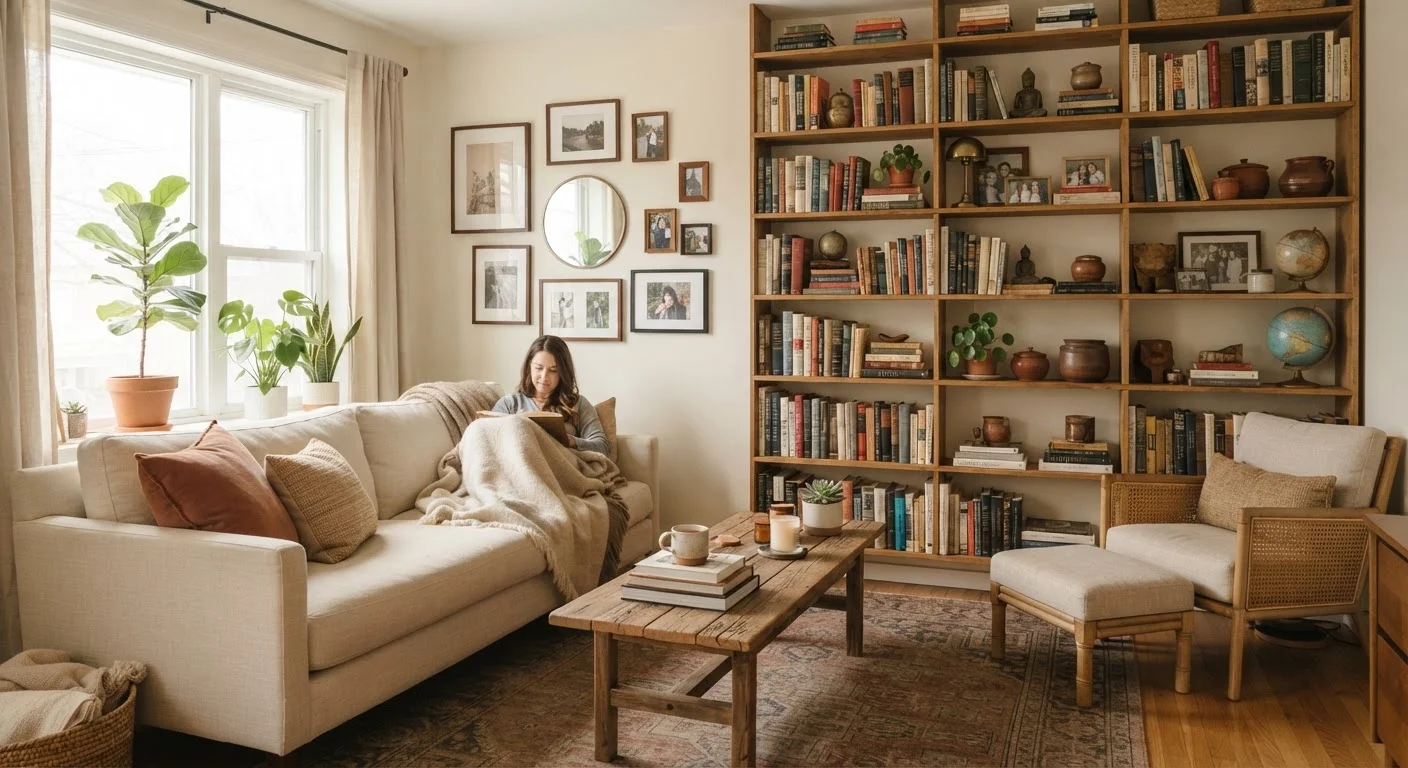
Key Takeaways
- Minimalism is a design philosophy, not a universal rule for how many items you must own.
- Effective home organization depends on functional systems, not the total number of possessions.
- Discarding useful items prematurely can cost more money and effort in the long run.
- Multi-person households require flexible organization strategies, not minimalist mandates.
- Sustainable tidiness comes from habits and storage logic, not aesthetic perfection.
Why Minimalism Myths Undermine Practical Organization
Minimalism as a design concept has genuine appeal - fewer items often means less to manage. But when its more extreme interpretations get presented as the standard for a tidy home, they create a barrier for most households. Real families, renters, and budget-conscious homeowners don't need a philosophy; they need systems that work with what they already own.
The myths below are common enough that they actively push people away from organization efforts. Understanding where each one breaks down makes it easier to build habits that actually hold.
Myth
You have to own almost nothing to have an organized home.
Fact
Organization depends on functional storage systems and consistent habits, not a strict item count.
The idea that a truly organized home is a nearly empty one discourages countless people before they even start. In practice, a home with hundreds of well-placed, accessible items is far more functional than a sparse one where the few remaining things are constantly misplaced. What determines tidiness is whether every item has a designated place - not whether you own ten things or two hundred. If you're just getting started, Decluttering From Scratch walks through realistic first steps without requiring radical removal.
Myth
Minimalism is the only proven method for reducing clutter.
Fact
Many organizational approaches reduce clutter effectively; minimalism is one philosophy among several.
Categorization systems, zone-based storage, and routine-based habits all reduce clutter without requiring an aesthetic overhaul. The goal of any decluttering method is to eliminate items that no longer serve a purpose - not to achieve a magazine-worthy look. Choosing a method that fits your household's actual habits and size is more important than following any single philosophy. For a broader view of what works across different homes, Home Organization From Every Angle covers multiple approaches side by side.
Myth
A minimalist aesthetic is achievable in any shared home.
Fact
Shared households have different needs, and imposing minimalist standards on others rarely works long-term.
When multiple people share a home, each person brings their own comfort threshold, possessions, and habits. Expecting everyone to conform to a strict low-ownership standard typically creates friction rather than order. More sustainable shared-space organization focuses on clear zones, agreed-upon storage rules, and mutual respect for how individuals use common areas. Shared Spaces, Different Habits offers practical strategies designed for exactly this challenge.
Myth
Once you declutter minimally, your home stays organized automatically.
Fact
Maintaining order requires ongoing habits regardless of how much you own.
Decluttering is a starting point, not a permanent solution. Even a home stripped to the essentials will accumulate disorder without consistent routines - mail still arrives, groceries still need homes, and everyday items drift from their designated spots. Sustainable tidiness depends on repeatable habits: returning items after use, scheduling brief weekly resets, and reassessing storage arrangements as household needs shift. The number of possessions matters far less than the daily behaviors surrounding them.
Myth
Small spaces require minimalist living to function well.
Fact
Smart storage design allows small spaces to accommodate a full household's needs comfortably.
Small rooms feel cramped when storage is poorly planned, not necessarily because too much is owned. Vertical shelving, multi-use furniture with built-in storage, and clearly defined zones let small spaces serve multiple purposes without feeling cluttered. A small bedroom, for instance, can hold a wardrobe, hobby supplies, and seasonal items if storage is layered intelligently. Small Bedroom, Big Order details low-cost approaches that work within tight footprints.
What Actually Makes a Home Stay Organized
Across all the myths above, a pattern emerges: sustainable organization is about placement logic and consistent habits, not ownership totals. Every item in a home should have one designated location that makes sense for how and where it's used. When that condition is met - for ten items or ten thousand - returning things to their place becomes natural rather than a chore.
Minimalism Is Not Required for Organization
You do not need to adopt a minimalist lifestyle to maintain an organized, functional home. Effective organization is about knowing where things belong and building habits to keep them there - not owning as little as possible. Conflating the two leads many people to abandon organization efforts entirely when they can't meet an unrealistic standard.
Budget-conscious homeowners have a particular advantage here: low-cost storage solutions like labeled bins, shelf dividers, and drawer organizers accomplish the same functional outcome as expensive redesigns. The investment is time and planning, not money. If reducing spending on duplicate purchases or wasted supplies is a goal, Smart Spending and Budgeting Basics offer useful context for connecting home habits to household finances.
Discarding Too Fast Can Cost You
Purging possessions quickly to meet a perceived minimalist ideal often leads to buying the same items again later - at full price. Before removing something 'just to have less,' consider whether you'll realistically need it within the next year. Disorganization has real financial consequences, as explored in The Hidden Costs of a Disorganized Home, and impulsive purging can add to them.
Start with whatever room causes the most daily friction, assign clear homes to the items used there most often, and build outward from that foundation. The goal isn't a showroom - it's a home that works.