

Key Takeaways
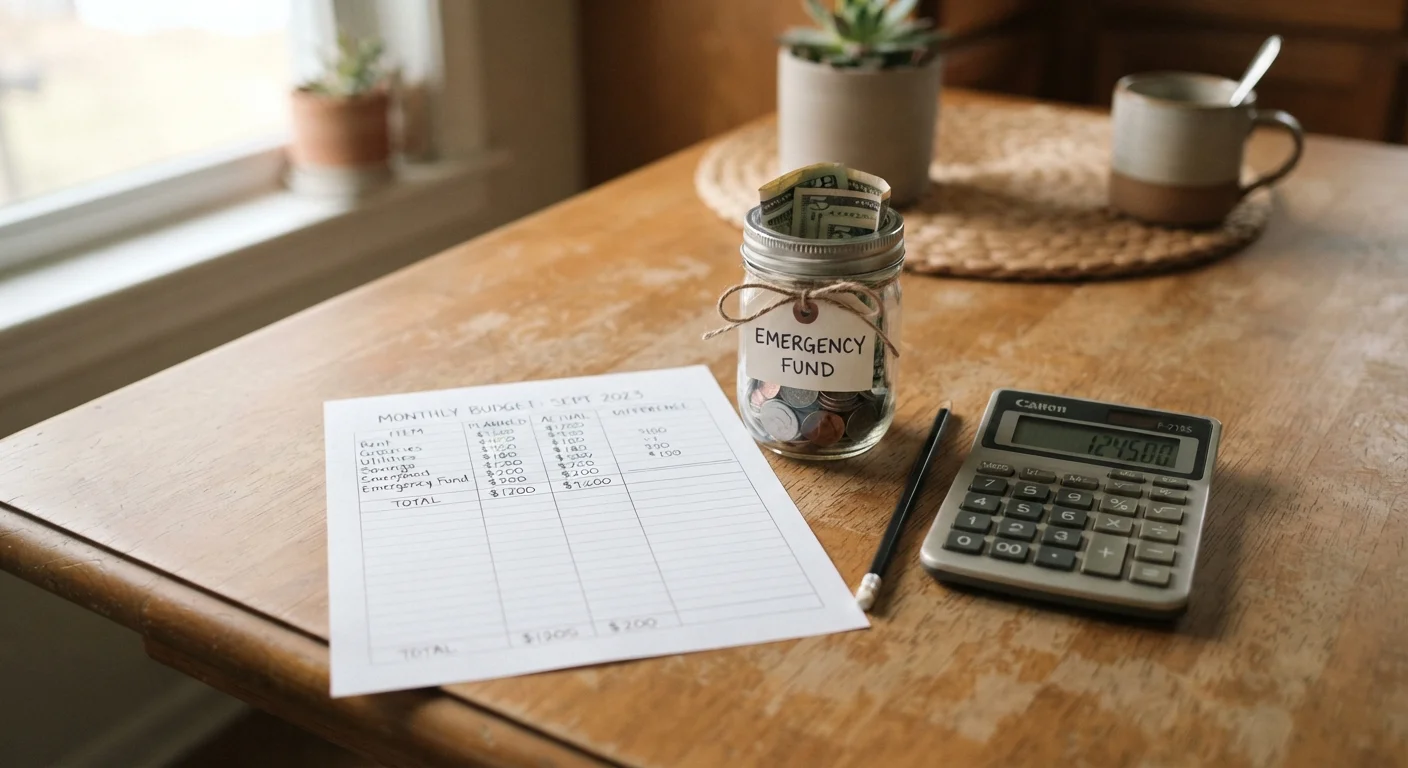
- An emergency fund should be treated as a non-negotiable budget line item, not optional savings.
- Starting small - even $25 per month - builds the habit and compounds over time.
- Automating transfers removes willpower from the equation and improves follow-through.
- Most financial educators recommend a target of three to six months of essential expenses.
- Irregular earners can adapt the system by saving a fixed percentage of each deposit rather than a flat dollar amount.
What you will need
Why Emergency Funds Belong in Your Budget - Not Outside It
Most people think of an emergency fund as something they'll build once they have leftover money at the end of the month. That approach rarely works. Discretionary leftovers tend to disappear into small, forgettable purchases before they reach a savings account.
The more reliable method is to treat emergency savings as a fixed cost - a recurring line item that gets paid alongside rent and utilities. This isn't just a mindset shift; it's a structural one. When the emergency fund has a permanent home in your budget, it stops depending on discipline and starts depending on design.
If you're new to structured budgeting, the Smart Budgeting hub covers the foundational strategies that make this kind of intentional allocation easier to sustain.
What you will need
Budgeting spreadsheet or app
Tracks income and expense categories so you can identify where emergency fund contributions fit.
Dedicated savings account
Keeps emergency funds physically separated from everyday spending money to reduce temptation.
Automatic transfer feature
Schedules recurring deposits to your emergency fund without requiring manual action each month.
Step-by-Step: Building It Into Your Monthly Routine
The following steps walk you through converting the idea of an emergency fund into an actual budget category with a clear contribution amount and a dedicated home. Work through them in order - each one builds on the last.
Calculate your essential monthly expenses
Before you can set a savings target, you need a clear number. Add up only the expenses you absolutely cannot skip: rent or mortgage, utilities, groceries, transportation, insurance premiums, and minimum debt payments. Leave out subscriptions, dining out, and discretionary spending for now.
This total becomes the foundation for your emergency fund goal. Most financial educators suggest aiming for three to six months of this number. If that feels overwhelming, focus on reaching one month's worth first - progress matters more than perfection.
Set a realistic monthly contribution amount
Look at your current monthly cash flow - income minus all expenses - and identify a contribution you can make consistently. Consistency beats size. A dependable $40 per month is more useful than an ambitious $200 that evaporates after two months.
A practical starting point: if you save nothing today, begin with 1-2% of your monthly take-home pay. If you already have some savings discipline, try 5%. Adjust based on what your budget can genuinely absorb without causing you to fall behind on bills.
Add the fund as a named budget line item
Open your budget and create a category explicitly called Emergency Fund. Place it alongside fixed expenses like rent and utilities - not in a discretionary bucket where it competes with entertainment or dining out.
This placement is intentional. Treating the contribution as a bill you owe yourself makes it harder to skip when money feels tight. Psychologically, it shifts the emergency fund from a vague goal to a concrete obligation.
Open a separate, dedicated savings account
Keeping emergency savings in the same account as your everyday spending is a reliable way to spend them. Open a separate savings account - ideally at a different institution or at least a distinctly labeled sub-account - and designate it solely for emergencies.
Having friction between you and the money helps. The goal is to make accessing it slightly inconvenient for everyday impulses while still reachable in a genuine crisis.
Automate the transfer on payday
Set up a recurring automatic transfer from your checking account to your emergency fund account to coincide with your payday. When the money moves before you see it in your spending account, you're far less likely to reallocate it.
Most banks allow you to schedule recurring transfers through their app or website at no cost. Even a small automated amount, moved consistently, compounds into meaningful protection over months.
Review and increase contributions over time
Each time your income increases - a raise, a side gig payout, a tax refund - direct a portion toward your emergency fund before expanding lifestyle spending. Revisit your contribution amount at least every six months as part of your regular budget review.
Once you've reached your target balance, you can redirect those contributions toward other financial goals like debt payoff or longer-term savings. Understanding why an emergency fund matters before you start investing can help you sequence those next steps effectively.
Don't Raid the Fund for Non-Emergencies
Impulse purchases, vacations, or predictable costs like annual subscriptions are not emergencies. Using your emergency fund for these resets your progress and leaves you exposed when a real crisis hits. Use sinking funds instead for planned irregular expenses.
Name Your Account Something Specific
Many savers find that labeling a savings account 'Emergency Fund - Do Not Touch' makes them far less likely to dip into it casually. Small psychological cues like this can reinforce the boundary between spending money and safety-net money.
For a broader look at how the Saving & Debt hub organizes financial priorities - including how an emergency fund fits relative to debt payoff and investing - those resources offer helpful sequencing context.
This Is General Financial Information
This article is for educational purposes only and does not constitute personalized financial advice. Everyone's income, expenses, and financial situation are different. Consider consulting a licensed financial professional before making significant changes to your financial plan.