

Key Takeaways
- Boredom is a genuine welfare concern, not just a nuisance behaviour in pets.
- Dogs, cats, rabbits, and birds all experience boredom differently based on their instincts.
- Chronic under-stimulation can contribute to anxiety, destructive habits, and even physical health issues.
- Many effective enrichment strategies cost little or nothing to implement.
- Recognising boredom early helps prevent it from becoming a deeper behavioural or health problem.
Pet Boredom
Pet boredom occurs when an animal lacks adequate mental stimulation, physical activity, or social interaction to meet their species-specific needs. It's not simply a mood - it's a state of under-stimulation that can trigger behavioural and physical health consequences over time. Pets who are bored regularly may develop chronic stress responses that affect their overall wellbeing.
In animal behaviour science, boredom is often discussed alongside concepts like behavioural deprivation and environmental impoverishment - conditions where an animal's environment fails to support normal behavioural expression.
What Boredom Actually Looks Like in Pets
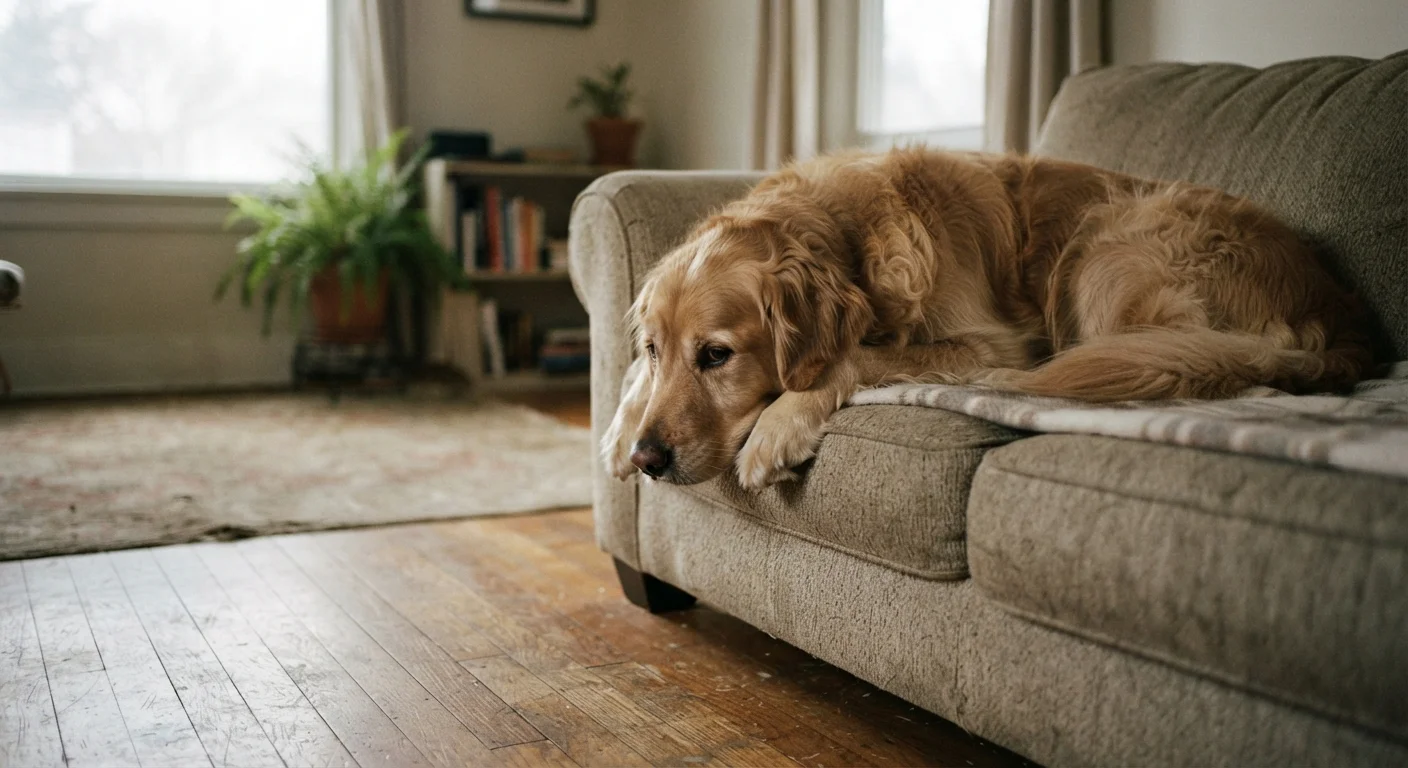
Most pet owners associate boredom with chewed furniture or a dog circling the yard - but the signs are often subtler. Boredom in animals is less about mood and more about an unmet need for engagement. When a pet's environment doesn't offer enough stimulation, their brain and body respond.
Common behavioural indicators include:
- Repetitive or compulsive behaviours - excessive licking, pacing, tail-chasing, or feather-plucking in birds
- Destructive activity - chewing furniture, digging, or scratching beyond normal levels
- Attention-seeking - persistent pawing, vocalising, or nudging that escalates when ignored
- Flat affect - loss of interest in toys, play, or interaction that the pet previously enjoyed
- Overeating or food obsession - using food as the primary source of stimulation
These signs don't always point to boredom - illness, pain, or anxiety can produce similar patterns. If you're unsure, learn to spot subtle signs of illness before assuming behavioural causes.
Boredom Can Mimic Other Conditions
Some signs of boredom - lethargy, changes in appetite, repetitive movements - overlap with symptoms of medical conditions or anxiety disorders. It's worth ruling out physical causes with a vet before attributing behaviour changes solely to boredom. A combined approach, addressing both environment and health, is often most effective.
The Health Costs of Chronic Under-Stimulation
Boredom isn't just an inconvenience - it's a welfare issue with measurable consequences. When pets are persistently under-stimulated, their bodies mount a low-grade stress response. Over time, this chronic stress can affect multiple body systems.
~40%
Dogs showing boredom-related behaviour problems
Veterinary behaviour surveys consistently estimate a substantial proportion of pet dogs exhibit at least one behaviour problem linked to insufficient mental or physical stimulation.
Top 3
Reasons for veterinary behaviour consultations
Destructive behaviour, excessive vocalisation, and compulsive behaviours - all commonly linked to boredom - rank among the most frequent reasons owners seek veterinary behaviour support.
Research in animal behaviour consistently links environmental impoverishment with elevated stress hormones such as cortisol. Sustained cortisol elevation can impair immune function, disrupt sleep, worsen inflammatory conditions, and contribute to gastrointestinal issues. For more on how stress translates into physical symptoms, see how stress affects your pet's physical health.
Beyond biochemistry, boredom-driven behaviours carry their own direct risks: overeating leads to obesity; excessive self-grooming causes skin lesions or hairballs; inactivity weakens muscles and joints. These aren't hypothetical - they're common presentations in veterinary practice.
Why Different Pets Experience Boredom Differently
A golden retriever and a domestic shorthair cat have very different enrichment needs - and understanding that distinction matters. Boredom is shaped by a species' evolutionary history and the instincts that come with it.
Indoor-only pets face particular challenges. Without access to the sensory variety of the outdoors - smells, sounds, changing environments - their world can quickly become monotonous. Indoor versus outdoor lifestyle choices significantly shape how much deliberate enrichment a pet needs from their owner.
Practical, Low-Cost Ways to Address Pet Boredom Daily
Effective enrichment doesn't require expensive gadgets. The goal is to give pets outlets for their natural instincts - sniffing, hunting, foraging, problem-solving, and social connection.
- Rotate toys - Offering a few toys at a time, then swapping them out weekly, restores novelty without buying new items.
- Use feeding as enrichment - Scatter dry food in grass, use a muffin tin with kibble, or freeze wet food in a rubber toy. This turns mealtime into a mental exercise.
- Add olfactory stimulation - For dogs especially, sniff walks - where the dog sets the pace and follows their nose - provide significant cognitive engagement.
- Create window access for cats - A perch near a bird feeder gives indoor cats visual and auditory stimulation throughout the day.
- Build short training sessions into routines - Even five minutes of basic cue practice engages a pet's mind and reinforces your bond.
Start Small and Build Consistency
You don't need to overhaul your pet's entire routine at once. Pick one enrichment change - like a sniff walk or a food puzzle at mealtime - and stick with it for a week before adding another. Consistency matters more than variety when it comes to reducing boredom-related stress.
Building these habits into daily routines is one of the most impactful things an owner can do. Everyday habits shape long-term pet wellbeing - small, consistent actions compound into meaningful health outcomes over a pet's lifetime.
This article is for general educational purposes and does not constitute veterinary advice. If your pet's behaviour changes significantly or you have concerns about their health, consult a licensed veterinarian or certified animal behaviourist.