

Key Takeaways
- Dental disease affects an estimated 80% of dogs and 70% of cats by age three.
- Daily toothbrushing is the most effective home care tool available to pet owners.
- Untreated dental disease can lead to pain, tooth loss, and systemic organ complications.
- Dental needs shift meaningfully across puppyhood, adulthood, and senior years.
- Professional veterinary dental cleanings remain essential even with consistent home care.
Why Pet Dental Health Matters More Than Most Owners Realize
Dental disease is consistently ranked among the most common conditions diagnosed in companion animals - yet it remains one of the most frequently overlooked by owners. According to the American Veterinary Medical Association (AVMA), most dogs and cats show signs of periodontal disease by the time they are three years old.
The consequences extend well beyond bad breath. Bacteria that accumulate in the mouth can enter the bloodstream, potentially stressing the kidneys, liver, and heart over time. Pain from infected or damaged teeth can also change an animal's behavior and appetite in ways that owners may not immediately connect to oral health.
Understanding what healthy pet teeth look like - and how dental needs evolve through life - puts you in a much stronger position to partner with your veterinarian on preventive care. As part of a broader approach to everyday habits that support long-term wellbeing, dental hygiene is a small daily investment with outsized returns.
80%
Dogs with periodontal disease by age 3
The American Veterinary Medical Association reports that most dogs show signs of dental disease by their third year of life.
70%
Cats affected by dental disease by age 3
Cats are similarly susceptible; the American Veterinary Dental College notes periodontal disease is among the most common feline health conditions.
#1
Most diagnosed condition in companion animals
Periodontal disease consistently ranks as the most commonly diagnosed condition in dogs and cats seen by veterinarians in the US.
Puppies and Kittens: Building Good Habits Early
Young animals have deciduous (baby) teeth that eventually give way to permanent adult teeth - typically by six months of age in dogs, slightly earlier in cats. This transition period is a prime window to introduce mouth handling and toothbrushing before a pet has any negative associations with the experience.
Start by gently touching your puppy or kitten's muzzle and lips daily. Gradually progress to lifting the lips, then touching the teeth and gums with a finger. Once they're comfortable, introduce a soft-bristled toothbrush or finger brush with pet-safe toothpaste. Never use human toothpaste - fluoride and xylitol, common in human products, are toxic to pets.
Make Toothbrushing a Positive Ritual
Pair toothbrushing with something your pet already enjoys - a favorite activity, a calm evening routine, or a small reward afterward. Keeping sessions short (30-60 seconds) and consistent matters far more than occasional thorough attempts. Pets who accept mouth handling early in life are significantly easier to examine and treat throughout adulthood.
Retained baby teeth - where the deciduous tooth doesn't fall out as expected - are more common in small-breed dogs and can cause crowding, plaque buildup, and bite problems. Your veterinarian will monitor for this at routine visits. New owners can also refer to common first-time pet owner health oversights for broader context on early-life care gaps.
Adult Pets: Maintaining What You've Built
In healthy adult pets, the goal shifts from introduction to consistency. Daily toothbrushing remains the gold standard - even brushing three to four times per week provides meaningful plaque control compared to no brushing at all. Plaque hardens into tartar within 24 to 48 hours; once calcified, it cannot be removed by brushing and requires professional scaling.
Supplementary options such as dental chews, water additives, and specially formulated dental diets can provide additional support but should not substitute for brushing. Look for products bearing the Veterinary Oral Health Council (VOHC) seal, which indicates independent efficacy testing. That said, these are adjuncts - not replacements - for professional care.
When introducing a toothbrush to an adult pet for the first time, spend a full week on gum-touch desensitization before introducing the brush - rushing this step is the most common reason pets resist brushing long-term.
Behavioral compliance with oral care is built incrementally; skipping desensitization creates negative associations that are difficult to reverse, particularly in adult animals.
Ask your veterinarian to walk you through what your pet's teeth look like immediately after a professional cleaning - that visual benchmark helps you recognize change at home between visits.
Owners who have a clear reference point for what 'clean' looks like for their specific pet are better equipped to notice early-stage tartar accumulation or gum changes before they become significant.
Annual veterinary wellness exams typically include an oral assessment. If your vet recommends a professional cleaning, this is a scheduled procedure performed under general anesthesia - not something to defer indefinitely. Keeping dental care part of your broader budget planning is worth considering; our guide on stretching your pet care budget covers how to approach preventive expenses thoughtfully.
Don't Skip Anesthesia-Based Cleanings
It can be tempting to postpone professional cleanings due to cost or concerns about anesthesia. However, delaying necessary dental treatment typically allows disease to progress, making eventual procedures more involved. Discuss your concerns openly with your veterinarian - they can help you weigh timing, assess anesthetic risk, and prioritize appropriately.
Senior Pets: Greater Risks, Greater Vigilance
As pets age, dental disease tends to compound. Years of plaque accumulation, reduced immune resilience, and the natural wear of teeth make older animals more susceptible to tooth root abscesses, tooth resorption (particularly in cats), and significant gum recession. Pain may be subtle - many pets instinctively mask discomfort - making routine monitoring especially important.
Senior pets often require more frequent dental cleanings. Your veterinarian may also perform pre-anesthetic bloodwork before any dental procedure to assess organ function, which is standard and appropriate - not a cause for alarm. For a broader picture of how care requirements shift in older animals, see our guide on caring for a senior pet.
Pain in Older Pets Is Often Hidden
Senior pets rarely vocalize dental pain the way humans do. A cat or dog that stops playing with toys, becomes less active, or seems withdrawn may be experiencing chronic oral discomfort rather than simple aging. If you notice behavioral changes in an older pet, include a dental assessment in your next veterinary visit rather than attributing changes to age alone.
Signs of Dental Disease to Watch For
Owners are often the first to notice early warning signs, particularly between vet visits. Incorporating a brief mouth check into a monthly at-home wellness routine can help you catch changes sooner.
- Persistent bad breath - not just post-meal odor, but a chronic, foul smell
- Yellow or brown discoloration along the gumline (tartar buildup)
- Red, swollen, or bleeding gums
- Dropping food or chewing on one side
- Pawing at the mouth or face
- Changes in appetite or reluctance to eat hard food
- Visible broken or missing teeth
None of these signs should be addressed at home with over-the-counter products. If you observe them, contact your veterinarian. Early intervention generally results in simpler, less costly treatment.
Small Breeds and Flat-Faced Pets Face Higher Risk
Brachycephalic (flat-faced) breeds such as Bulldogs, Pugs, Persians, and Shih Tzus, as well as toy and small-breed dogs, are genetically predisposed to dental crowding and accelerated tartar buildup. Owners of these breeds should discuss a more proactive dental care schedule with their veterinarian from puppyhood onward.
What a Professional Dental Cleaning Involves
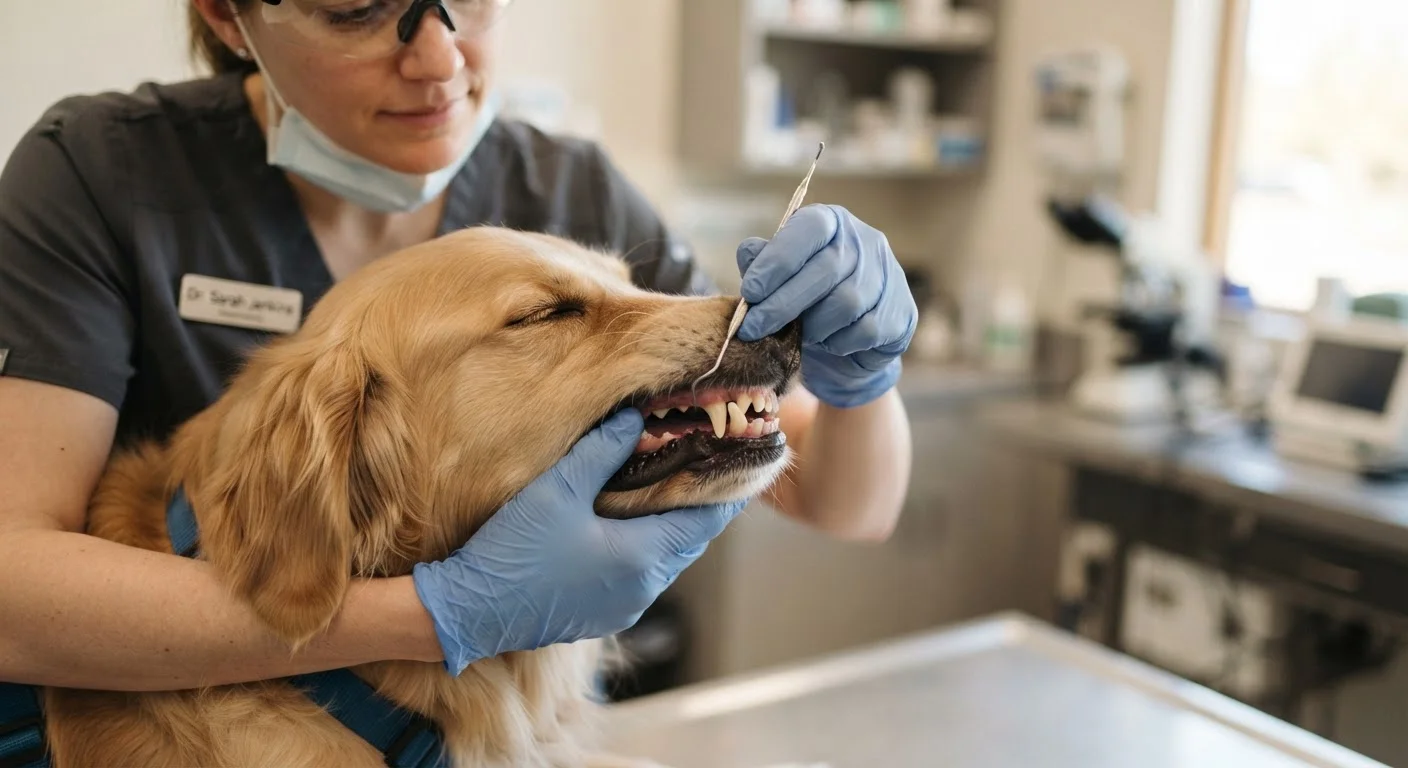
A veterinary dental cleaning - sometimes called a COHAT (Comprehensive Oral Health Assessment and Treatment) - is performed under general anesthesia. This allows the veterinarian or veterinary technician to safely scale above and below the gumline, probe each tooth for pocketing or disease, take dental radiographs (X-rays), and extract any teeth that are unsalvageable.
Anesthesia-free dental cleanings, offered by some non-veterinary providers, remove visible surface tartar only. They cannot address subgingival (below the gumline) disease, the primary driver of dental pathology, and may create a false impression that teeth are healthy. The AVMA and the American Animal Hospital Association (AAHA) do not endorse this approach as a substitute for proper dental care.
Frequency of professional cleanings varies by individual animal - some pets may need annual cleanings, others every two to three years. Your veterinarian is best placed to make this determination based on your pet's oral health history, breed, diet, and home care routine.
This article is for general informational purposes only and is not a substitute for professional veterinary advice, diagnosis, or treatment. Always consult a licensed veterinarian regarding your pet's specific health needs.
Veterinary Oral Health Council (VOHC)
The VOHC maintains a list of dental products that have met independent efficacy standards for plaque and tartar control in dogs and cats - a useful reference when evaluating home care options.
AVMA Pet Dental Care Resources
The American Veterinary Medical Association provides owner-facing guidance on dental disease prevention, what to expect at dental procedures, and how to find a veterinarian for oral health concerns.
At-Home Monthly Pet Wellness Check
A structured at-home check covering teeth, coat, eyes, weight, and movement to help you spot early changes - including dental warning signs - before your next scheduled vet visit.