

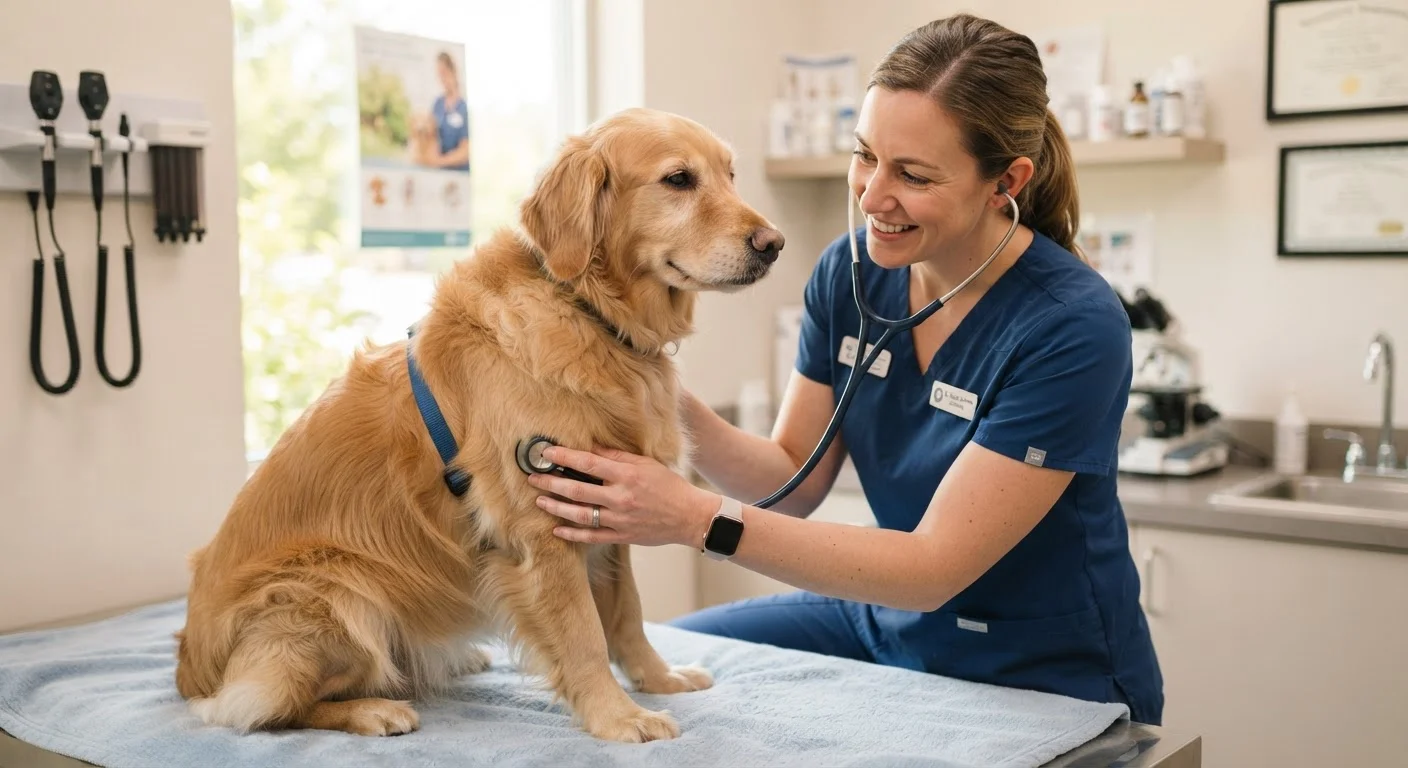
Key Takeaways
- Normal resting heart rate ranges from 60-140 bpm in dogs and 140-220 bpm in cats, depending on size and age.
- A healthy pet's temperature falls between 101°F and 102.5°F; readings outside this range merit a vet call.
- Resting respiratory rate above 30 breaths per minute in a sleeping pet can signal a problem worth investigating.
- Vital signs should always be assessed alongside behavior - numbers alone rarely tell the full story.
- Home monitoring is a complement to veterinary care, not a replacement for professional diagnosis.
Pet Vital Signs
Vital signs are measurable physiological indicators - heart rate, respiratory rate, temperature, and sometimes capillary refill time - that give a snapshot of how an animal's body is functioning. In dogs and cats, these values have established normal ranges that veterinarians use as a baseline. Tracking them at home can help you notice meaningful changes before they become serious problems.
Normal ranges vary by species, size, age, and fitness level; a single reading should always be interpreted alongside your pet's overall behavior and history, not in isolation.
The Four Vital Signs Worth Knowing
Veterinarians typically assess four core vital signs in dogs and cats: heart rate, respiratory rate, body temperature, and capillary refill time (CRT). Together, these indicators give a rapid picture of cardiovascular and systemic health. Knowing roughly what normal looks like for your specific pet - their personal baseline - makes you far better equipped to recognize when something has shifted.
This is general health information intended to help you be a more observant pet owner. It is not a substitute for veterinary diagnosis. If something seems wrong, contact your vet.
101-102.5°F
Normal body temperature for dogs and cats
This is the accepted normal rectal temperature range recognized across veterinary medicine; readings outside this window warrant veterinary assessment.
< 2 seconds
Healthy capillary refill time in gums
Veterinary consensus holds that a refill time over two seconds, or abnormal gum color, can indicate cardiovascular compromise requiring prompt evaluation.
15-30 bpm
Normal resting respiratory rate for dogs and cats
Rates consistently above 30 breaths per minute in a resting or sleeping pet are considered a threshold for further investigation by many veterinary cardiologists.
Heart Rate: How to Check It and What It Means
To measure your pet's resting heart rate, place two fingers gently on the inside of their upper hind leg where the leg meets the body - you should feel the femoral artery pulsing. Count beats for 15 seconds and multiply by four. Alternatively, place your hand flat against your pet's left chest wall just behind the front leg.
Normal ranges by species and size:
- Large dogs (over 30 lbs): 60-100 bpm
- Small dogs (under 30 lbs): 100-140 bpm
- Cats: 140-220 bpm
An irregularly patterned beat, a rate well outside these ranges, or a rate that is hard to detect are all reasons to call your vet. Keep in mind that even mild exercise can elevate the rate - always measure at rest. See our monthly at-home wellness check guide for a structured way to incorporate this into your routine.
Build Your Pet's Personal Baseline
Measure your pet's resting heart rate, respiratory rate, and temperature on a few calm days when they're healthy. Write the values down and keep them in your pet's file. Having a personal normal range makes future comparisons far more meaningful than generic charts alone.
Respiratory Rate and Temperature: Reading the Numbers
Respiratory rate is best measured while your pet is sleeping. Watch the chest rise and fall - one full cycle counts as one breath. Normal resting rates are 15-30 breaths per minute for dogs and cats alike. A sleeping pet consistently breathing faster than 30 breaths per minute, or breathing with visible effort or noise, warrants a vet conversation.
Body temperature in healthy dogs and cats falls between 101°F and 102.5°F. A rectal thermometer gives the most accurate reading. Temperatures above 104°F may indicate heat stroke or serious infection; below 99°F can signal shock or hypothermia. Both extremes require prompt veterinary care.
Capillary refill time is a quick gum-color check: press a finger briefly against your pet's gums, release, and count how long the pink color returns. Under two seconds is normal. A refill time over two seconds - or gums that are pale, blue, white, or grayish - signals a potential circulation problem and is an emergency.
Because animals often hide discomfort, vital signs are just one piece of the picture. Our guide to pain signs in pets explains the behavioral cues that can accompany abnormal readings.
Fever vs. Hyperthermia: Not the Same Thing
A true fever is driven by the immune system in response to infection or inflammation. Hyperthermia - dangerously elevated body temperature - can result from external heat, seizure activity, or toxin exposure without an immune trigger. The distinction matters for treatment, which is why a vet should always evaluate a high temperature reading rather than owners attempting to manage it at home.
Putting the Numbers in Context
A single abnormal number doesn't automatically mean something is wrong - context matters enormously. A cat with a heart rate of 230 bpm who just sprinted across the house is very different from one sitting calmly at that rate. Stress alone can push a cat's heart rate well above 200 bpm during a vet visit.
What you're really building is a personal baseline for your individual pet. Record readings monthly so you have a reference point. If you notice a consistent trend - say, resting respiratory rate slowly climbing over several weeks - that pattern carries more diagnostic weight than any single high number.
Vital signs complement other observational tools. Reading your pet's body language and watching for subtle signs of illness rounds out what the numbers tell you. If in doubt, your veterinarian is always the right call - they can assess your pet as a whole rather than a set of data points.
This article is for general informational purposes only and does not constitute veterinary medical advice. Always consult a licensed veterinarian for concerns about your pet's health.