

Key Takeaways
- Annual or biannual wellness exams let vets detect problems before your pet shows obvious symptoms.
- Vaccinations protect pets against preventable, often life-threatening diseases at relatively low cost.
- Parasite control - for fleas, ticks, and heartworm - prevents conditions that are far more expensive to treat once established.
- Early detection of conditions like dental disease or organ dysfunction significantly improves treatment outcomes.
- Preventive care is generally more cost-effective over a pet's lifetime than emergency or reactive treatment.
- No home check replaces a professional exam, but regular at-home observation supports earlier intervention.
Preventive Veterinary Care
Preventive veterinary care refers to the scheduled health services - such as wellness exams, vaccinations, parasite prevention, and dental checks - designed to keep pets healthy before illness or injury occurs. Rather than reacting to symptoms, preventive care focuses on maintaining baseline health and catching early warning signs. It is the foundation of responsible pet ownership and long-term wellbeing.
In veterinary medicine, preventive care is often referred to as "prophylactic" care. It encompasses both primary prevention (stopping disease from occurring) and secondary prevention (detecting subclinical disease early through diagnostics).
What Preventive Care Actually Covers
Many pet owners associate a vet visit with something being wrong. In reality, the most impactful appointments are the ones that happen when your pet appears perfectly fine. Preventive care encompasses a range of services:
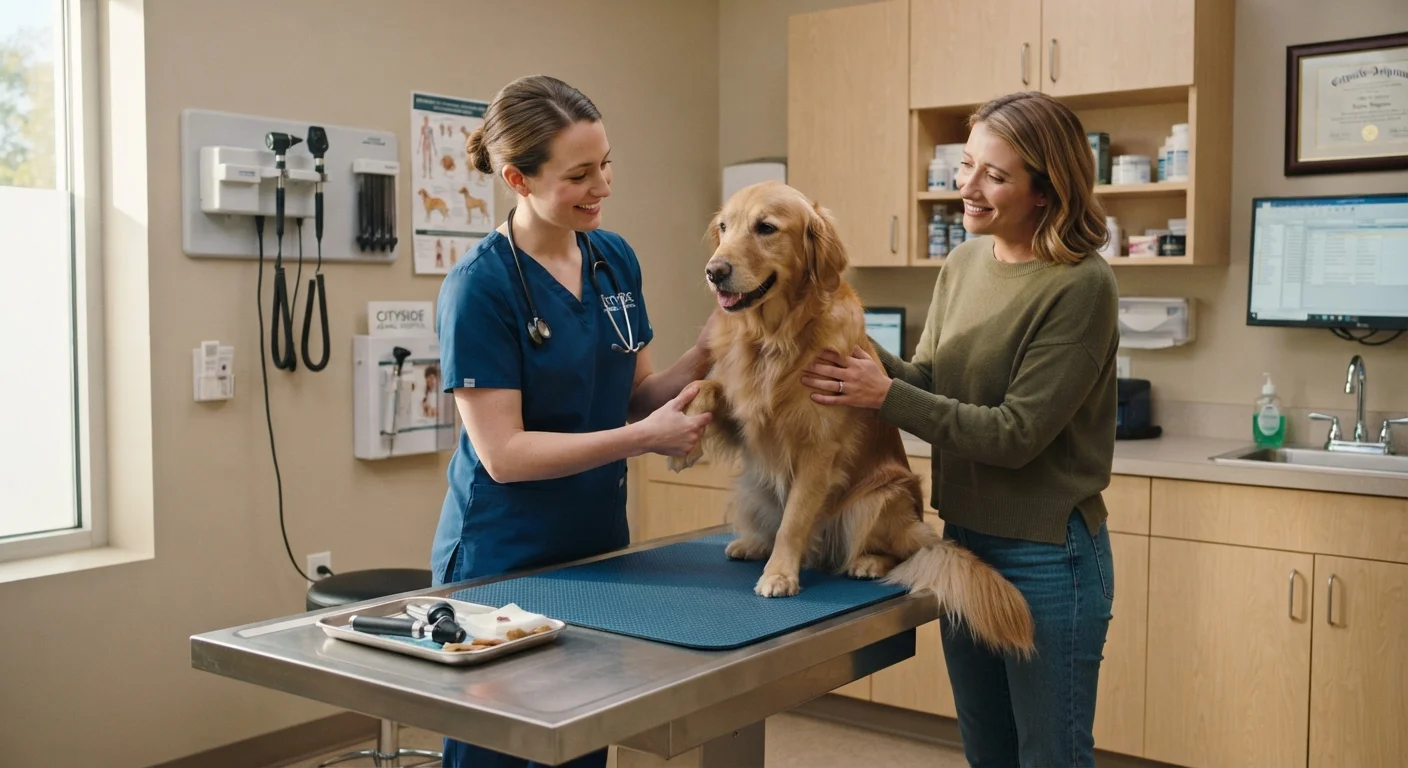
- Wellness exams: A head-to-tail physical assessment that can reveal early signs of heart murmurs, dental disease, joint changes, and more - often before the pet shows any discomfort.
- Vaccinations: Core vaccines protect against serious, often fatal diseases like parvovirus, distemper, and rabies. Understanding the difference between core and non-core vaccines helps owners make informed decisions with their vet.
- Parasite prevention: Monthly or seasonal treatments for heartworm, fleas, ticks, and intestinal parasites are far simpler to maintain than treating a full infestation or infection.
- Dental care: Periodontal disease affects a significant proportion of adult pets and, left untreated, can contribute to systemic health issues affecting the heart and kidneys.
- Nutritional and weight counselling: Obesity in pets is linked to diabetes, joint disease, and shortened lifespan. A vet's input on appropriate diet and body condition scoring provides guidance that generic online advice cannot.
These services collectively form a safety net - one that catches problems at a stage when intervention is simpler, safer, and typically less costly.
Preventive Care Looks Different for Every Pet
Age, breed, lifestyle, and existing health conditions all affect what a preventive care schedule should include. A young indoor cat has different needs from an aging large-breed dog. Your veterinarian is the right resource for building a plan tailored to your specific pet - general guidelines are a starting point, not a one-size-fits-all prescription.
The Science Behind Early Detection
Pets are instinctively inclined to mask signs of illness - a survival trait inherited from wild ancestors. This means by the time a dog or cat displays visible symptoms, a condition may already be well progressed. Routine diagnostics help bridge this gap.
Bloodwork and urinalysis during wellness visits can flag changes in organ function - such as early kidney or liver changes - before clinical signs emerge. Catching these shifts early often means a wider range of treatment options and a better prognosis. Dental X-rays, for example, can reveal bone loss below the gum line that is invisible during a visual exam.
Pets also age at a significantly faster rate than humans. A single year for a middle-aged dog is roughly equivalent to five to seven human years. That context makes annual wellness visits the minimum reasonable standard - and biannual visits for senior pets a genuinely sound recommendation, not an upsell.
“The goal of preventive care is to extend not just the length of a pet's life, but its quality. We find conditions at wellness visits that owners had no idea were developing - and that early window makes an enormous difference in what we can do.”
— Dr. Ernie Ward, Veterinarian and founder of the Association for Pet Obesity Prevention
The Long-Term Cost Argument
Cost is one of the most common reasons owners delay or skip preventive appointments. It's a legitimate concern - but the math generally favours consistency. Treating heartworm disease, for instance, is significantly more involved and expensive than the monthly preventive that avoids it. Advanced dental extractions, emergency interventions for untreated infections, and management of late-stage chronic diseases all carry costs that dwarf routine prevention.
If budget is a real constraint, there are practical strategies for maintaining care without compromising your pet's health. Our guide on stretching your pet care budget without cutting corners covers approaches that keep essential care in reach.
Ask About Wellness Plans at Your Clinic
Many veterinary practices offer annual wellness plans that bundle exam fees, vaccinations, and basic diagnostics into a monthly payment. These plans don't replace insurance but can make budgeting for routine care more predictable. Ask your vet's office what options they offer - it's worth the conversation.
It's also worth distinguishing between what can wait and what cannot. Preventive care is scheduled - emergencies are not. Understanding the difference, and knowing when a vet visit can't wait, is part of being a prepared owner.
Building Preventive Care Into Everyday Life
Preventive vet care doesn't exist in isolation - it works best when paired with consistent daily habits. Everyday habits like dental hygiene, mental stimulation, and appropriate exercise compound over time to support long-term health. Regular home observation also matters: tracking your pet's weight, coat quality, appetite, and behaviour between visits helps you bring meaningful information to each appointment.
First-time owners in particular may not realise how much the early decisions shape long-term outcomes. Common early oversights - like skipping baseline vet visits - can have downstream consequences that are avoidable with the right information upfront.
The core message is straightforward: the most effective time to invest in your pet's health is before there's an obvious reason to. A relationship with a trusted veterinarian, built through regular visits, puts you in the best possible position to advocate for your pet's wellbeing at every life stage.
This article is for general informational purposes only and does not constitute veterinary advice. Always consult a licensed veterinarian for guidance specific to your pet's health needs.