

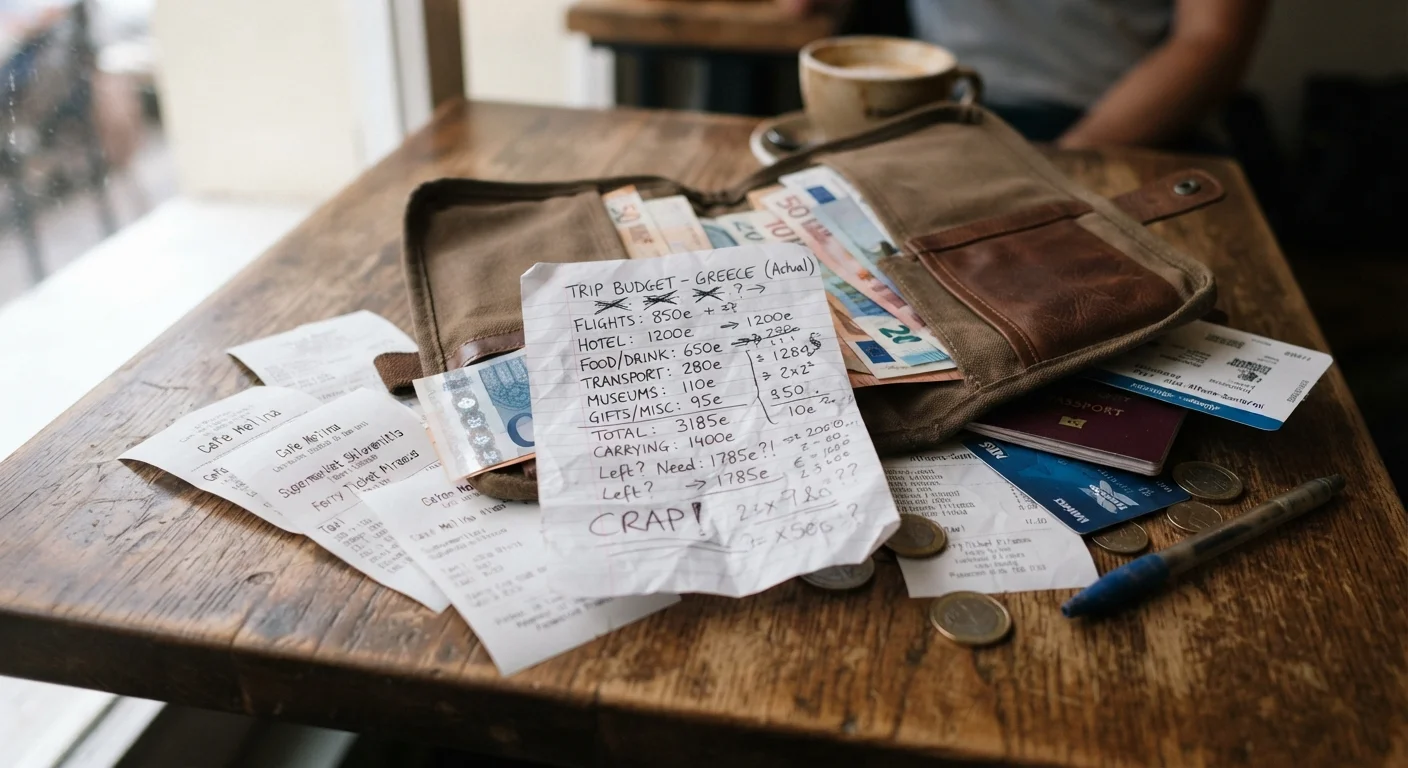
Key Takeaways
- Entry fees, visas, and resort taxes are frequently left out of initial travel budgets.
- Currency conversion fees and ATM charges can quietly add 5-10% to every foreign transaction.
- Tipping norms vary by destination and can meaningfully increase your daily food and service costs.
- Ground transportation within a destination is one of the most commonly underestimated expense categories.
- Building a 15-20% buffer into your travel budget helps absorb the costs you didn't plan for.
Why Travel Budgets Fall Short Before the Trip Even Starts
Most travelers build their first budget around two numbers: the flight and the hotel. Everything else gets a rough mental estimate - or nothing at all. That gap between the planned budget and the real cost of a trip is where financial stress quietly takes root.
The problem isn't that travelers are careless. It's that travel costs are genuinely fragmented. Dozens of small charges - entry fees, service taxes, transit legs, conversion fees - each feel minor on their own. Collectively, they can represent 20-30% of a trip's actual cost. For a first-time international traveler especially, these gaps are easy to miss.
The mistakes below cover the most common places budgets quietly break down - and concrete steps to close each gap before you leave home.
Your Budget Isn't Done Until It's Itemized
A lump-sum travel budget almost always hides gaps. Before you finalize any trip budget, break it into specific categories: transportation, accommodation, food, activities, fees, tips, and a contingency fund. Each category forces you to confront costs you might otherwise skip over - and that discipline is what separates trips that stay on track from ones that end in credit card stress.
The Hidden Costs Most Travelers Leave Out
Understanding where budgets leak is the first step to plugging the gaps. These aren't exotic edge cases - they're routine expenses that catch even experienced travelers off guard when left unplanned.
Ignoring destination-specific entry fees, visa costs, and tourist taxes.
Why it happens: Travelers focus heavily on flights and hotels, treating those as the full cost of 'getting there.' Visa application fees, e-visa processing charges, airport departure taxes, and local resort or city tourist taxes rarely appear in booking confirmations.
Underestimating ground transportation costs within the destination.
Why it happens: Many travelers price out the flight accurately but assume getting around at the destination will be cheap or trivial. Airport-to-hotel transfers, regional trains, ferry connections, rental car add-ons, and rideshares all compound quickly - especially across multi-city itineraries.
Failing to account for currency conversion fees and ATM charges.
Why it happens: Most travelers know exchange rates fluctuate, but fewer track the layered fees involved: foreign transaction fees on cards, ATM withdrawal fees from both their home bank and the local machine, and poor exchange rates from airport or hotel currency desks.
Leaving tipping norms out of the daily food and service budget.
Why it happens: Tipping customs vary significantly by country and even by region within a country. American travelers accustomed to tipping 18-20% at home may be surprised to find it expected at similar rates in some destinations - or may underprepare when visiting places where tipping in cash is the local norm.
Treating accommodation costs as settled once the booking is confirmed.
Why it happens: A hotel or rental confirmation price can exclude local occupancy taxes, resort fees, cleaning fees, or parking charges that are disclosed only at checkout. These can add 15-30% to the stated nightly rate in some markets.
~3%
Typical foreign transaction fee per card purchase
Many standard US credit and debit cards charge a foreign transaction fee of around 3% on each international purchase, per general industry disclosures.
15-20%
Recommended contingency buffer for travel budgets
Financial planning guidance commonly recommends adding a 15-20% buffer to travel budgets to account for unplanned expenses and price fluctuations.
For a broader look at the kinds of irregular expenses that tend to go unbudgeted in everyday life - not just travel - see our piece on spending categories worth tracking. Many of the same blind spots apply on the road.
Airport Currency Exchange Rates Are Rarely Favorable
Currency exchange desks at airports typically offer some of the least favorable conversion rates available, with added fees on top. Withdrawing local currency from an in-network ATM at your destination - or using a debit card with no foreign transaction fees - often results in meaningfully better rates. Always compare your options before you land, not after.
Building a Budget That Holds Up in the Real World
Once you've identified the common gaps, the fix is structural: move from a lump-sum estimate to a category-by-category breakdown. Our guide to building a realistic travel budget walks through this framework in detail, but the core principle is simple - every cost category needs its own line, including fees, tips, and a contingency buffer.
Use the pre-trip budget planning checklist to verify you haven't left any category blank before confirming bookings. The travelers who stay on budget aren't the ones who spend less - they're the ones who planned for more.
This article provides general travel budgeting information for educational purposes only. Fees, taxes, and entry requirements vary by destination and change over time. Always verify current requirements and costs with official government sources and service providers before traveling.