

Key Takeaways
- Multiple peer-reviewed studies link regular time outdoors to reduced cortisol levels and lower self-reported stress.
- Even short exposures - as little as 10 to 20 minutes in a natural setting - may produce measurable mood benefits.
- Nature-based mental wellness practices are largely free and accessible across most US communities.
- Combining outdoor time with social interaction or light movement may amplify the psychological benefits.
- Nature exposure complements but does not replace professional mental health care when that is needed.
Nature Exposure and Mental Health
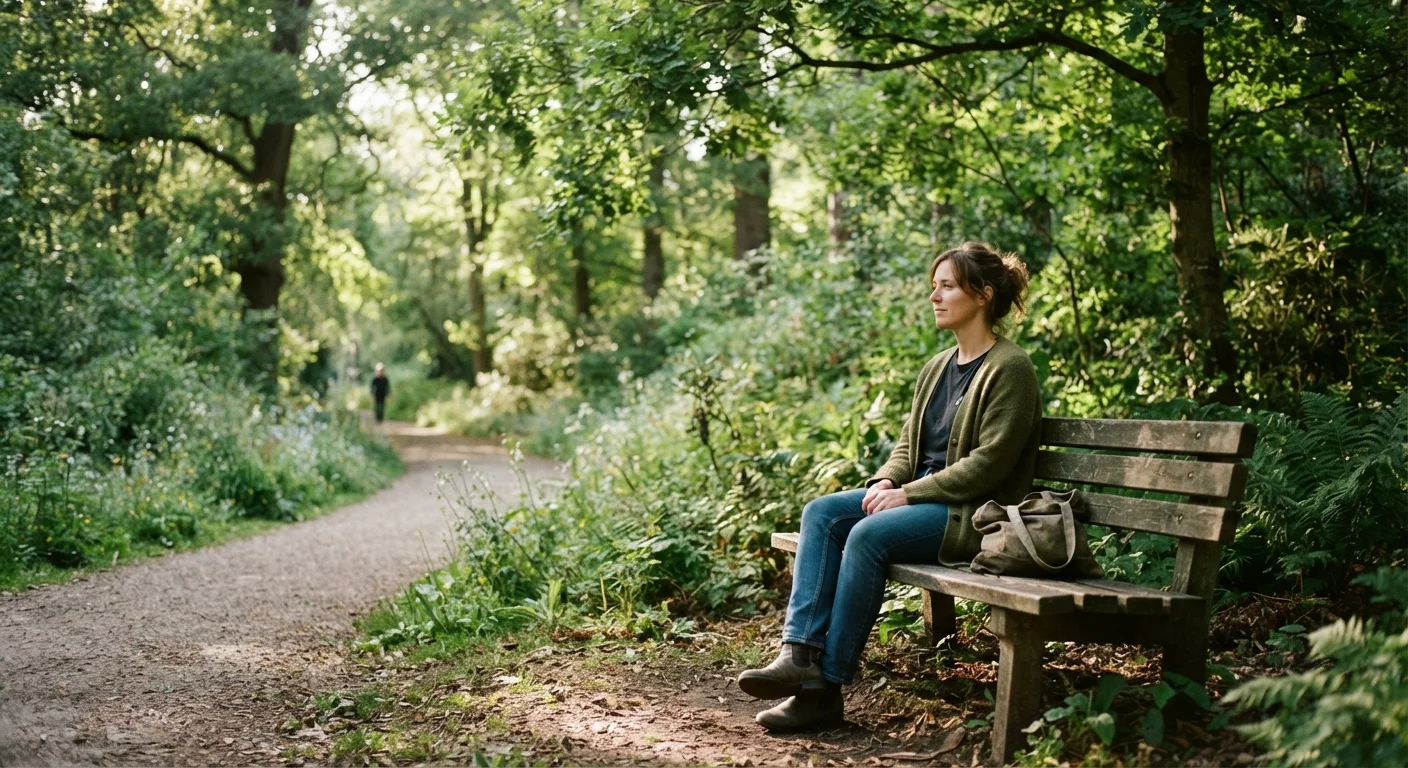
Nature exposure refers to spending time in outdoor environments - parks, forests, waterfronts, or even tree-lined streets - and observing how that contact affects psychological well-being. Research across multiple countries suggests these settings can reduce stress hormones, lower anxiety, and improve mood. The effects appear to occur even with modest, regular time outdoors rather than requiring extended wilderness retreats.
Researchers often study this through frameworks like Attention Restoration Theory (ART), which proposes that natural environments allow the brain's directed attention system to recover from fatigue, and Stress Recovery Theory (SRT), which links natural scenes to faster physiological recovery from stress arousal.
What the Research Actually Shows
The connection between outdoor environments and psychological well-being has moved well beyond anecdote. A growing body of peer-reviewed research - including meta-analyses spanning dozens of studies - consistently finds that time in natural settings is associated with lower perceived stress, reduced anxiety, and improved mood.
One widely referenced study published in Frontiers in Psychology found that spending 20 to 30 minutes sitting or walking in a natural setting produced significant drops in salivary cortisol, a key biological marker of stress. Separately, a large-scale analysis published in Scientific Reports found that people who spent at least 120 minutes per week in nature reported notably higher well-being and better self-rated health than those who spent no time outdoors.
Importantly, these effects appear to hold across age groups and urban settings - you don't need to live near a national forest to benefit. A neighborhood park or a tree-lined walking path can provide meaningful exposure. To understand the physiological side of why stress affects the body so significantly in the first place, see the science behind stress.
120 min/week
Nature time linked to higher well-being
A large study published in Scientific Reports found that people spending at least 120 minutes per week in nature reported significantly better health and well-being than those reporting no nature contact.
20 min
Minimum effective dose for cortisol reduction
Research published in Frontiers in Psychology found that 20 to 30 minutes sitting or walking in a natural setting produced the steepest drops in salivary cortisol (a stress biomarker).
~50%
Reduction in rumination after nature walk
A Stanford University study found that participants who walked in a natural setting showed reduced neural activity in brain regions associated with rumination compared to those who walked in an urban environment.
Why Natural Environments Affect the Brain
Two theoretical frameworks dominate the scientific explanation for these effects. Attention Restoration Theory (ART), developed by environmental psychologists Rachel and Stephen Kaplan, proposes that natural environments engage what they call "involuntary attention" - a low-effort, restorative mode of observation - allowing the brain's capacity for focused, directed attention to recover from depletion.
Stress Recovery Theory (SRT), developed by Roger Ulrich, takes a more physiological angle: natural scenes trigger faster recovery from psychophysiological stress arousal, reducing heart rate, muscle tension, and self-reported negative affect more quickly than urban scenes.
Together, these frameworks suggest that nature's mental health benefits operate through at least two distinct pathways - cognitive restoration and physiological calming - which may be why the effect appears robust across so many different study designs.
“Nature is not a luxury but a necessity of the human spirit, as vital to our lives as water or good bread.”
— Edward Abbey, American author and essayist known for writing on wilderness and the natural environment
Practical Ways to Use Outdoor Time for Mental Wellness
The good news for budget-conscious readers is that effective nature exposure costs nothing beyond a pair of comfortable shoes and time. Here are evidence-informed approaches worth incorporating:
- Micro-doses of nature: Even a 10-minute sit in a park during a lunch break has been associated with mood improvements. Consistency matters more than duration on any single day.
- Walk without a destination: Unstructured outdoor walking - without earbuds or a podcast - appears to support mind-wandering states linked to creative thinking and emotional processing.
- Combine nature with social connection: Walking or sitting outdoors with a friend or family member may amplify both the nature benefit and the well-established mood effects of social bonding. See what research says about social connection for more on that parallel benefit.
- Use nature as a screen counterweight: Replacing even one or two scrolling sessions per week with an outdoor walk may support attention recovery. Managing screen time thoughtfully offers complementary strategies.
Start Small and Build Consistency
You don't need to carve out hours each week to begin experiencing benefits. A 10- to 15-minute walk in any available green space - even a neighborhood park - is a reasonable starting point. Treat it like any other habit: schedule it at the same time each day to help it stick.
These practices can also integrate naturally into a broader daily wellness routine. Building a daily mental wellness routine without spending anything is a realistic goal for most people.
Limitations and When to Seek Professional Support
Nature exposure is a genuine, research-supported wellness tool - but it carries important caveats. The studies to date are often observational, meaning they show associations rather than definitive cause-and-effect relationships. Individual responses vary, and factors like air quality, safety of local green spaces, mobility limitations, and seasonal weather can all affect how accessible or beneficial outdoor time is for a given person.
Critically, time outdoors is not a treatment for clinical mental health conditions. If you are experiencing persistent depression, anxiety, trauma responses, or other mental health challenges, please consult a qualified healthcare professional. Understanding the range of available support - from therapy to peer resources - can help you identify what fits your situation. Therapy, self-help, and peer support each serve different purposes, and knowing the difference matters.
Access to Green Space Varies Widely
Not everyone has equal access to parks or natural environments - a well-documented public health disparity in the US. If your immediate neighborhood has limited greenery, community gardens, urban tree canopy routes, or nearby county parks may be worth exploring. Some cities have programs specifically designed to improve equitable green space access.
This article is for general informational purposes only and is not a substitute for professional medical or mental health advice. Always consult a qualified healthcare provider regarding any mental health concerns or conditions.