

Key Takeaways
- Stress is a normal biological response, not a personal weakness or character flaw.
- The body cannot easily distinguish between real physical danger and psychological pressure.
- Chronic stress - not occasional acute stress - is most strongly linked to long-term health risks.
- Recognising your personal stress signals is the foundation of any effective coping strategy.
- Several evidence-informed, low-cost tools can help regulate the stress response over time.
The Stress Response
The stress response is your body's automatic reaction to any perceived threat or demand - physical, emotional, or environmental. It triggers a coordinated set of hormonal, neurological, and physiological changes designed to help you respond quickly to danger. While useful in genuine emergencies, this same system can cause harm when activated repeatedly or over long periods.
The response is primarily mediated by the hypothalamic-pituitary-adrenal (HPA) axis and the sympathetic nervous system, releasing hormones including cortisol and adrenaline (epinephrine).
What Happens Inside Your Body When Stress Hits
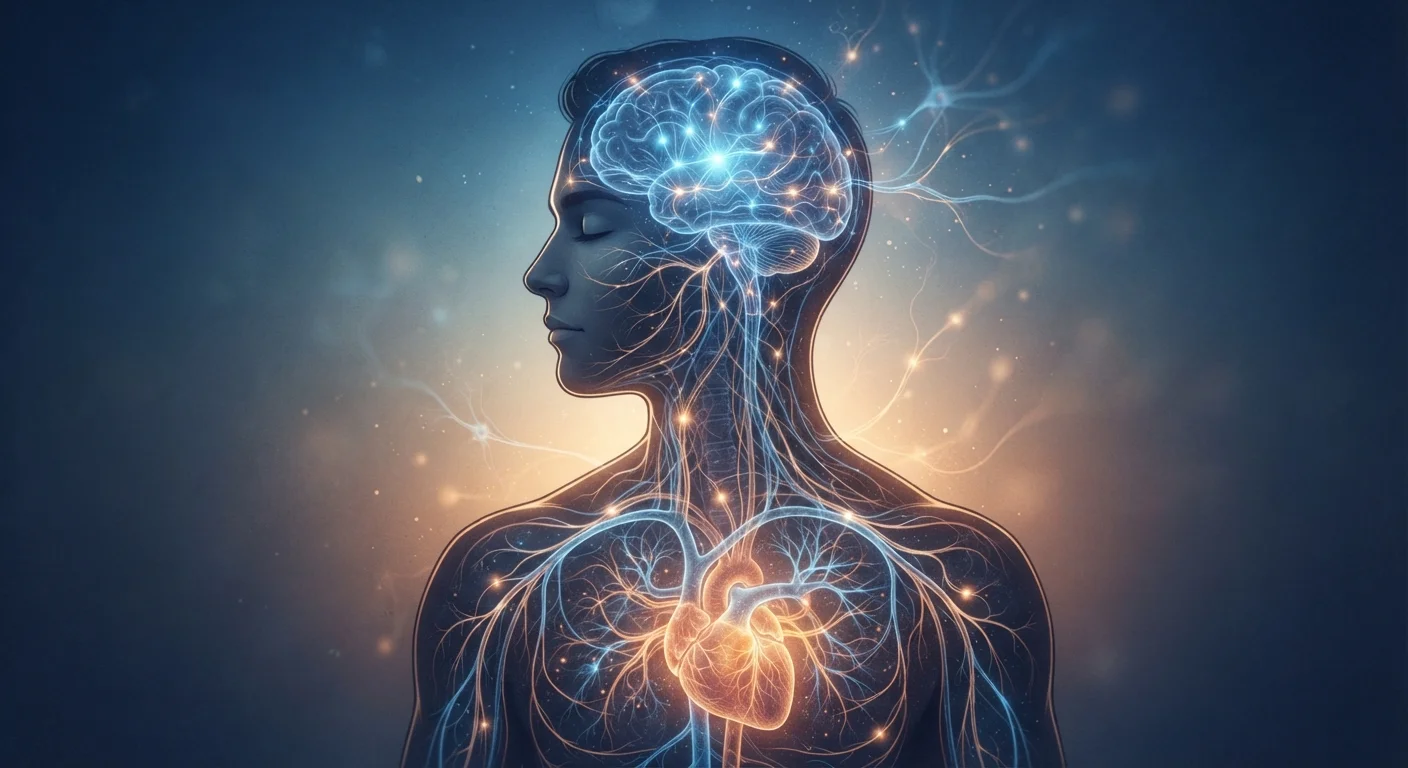
The moment your brain detects a potential threat - whether it's a car running a red light or an overdue bill - it triggers a rapid chain reaction. The amygdala, a region of the brain involved in emotional processing, sends an alarm signal to the hypothalamus, which acts as a command centre. Within seconds, the sympathetic nervous system floods the body with adrenaline (epinephrine), raising heart rate, increasing blood pressure, and redirecting blood to the muscles.
This is the classic fight-or-flight response, and it evolved to help humans survive physical danger. Breathing quickens to bring in more oxygen. Pupils dilate to sharpen vision. Digestion slows - it's not a priority when you're outrunning a predator.
If the perceived threat persists, a second wave follows: the HPA axis activates, prompting the adrenal glands to release cortisol. Cortisol keeps the body on alert by sustaining elevated blood sugar and suppressing immune and digestive activity. In an acute situation, this is adaptive. Over days and weeks, these same effects become a liability.
77%
Adults reporting physical symptoms of stress
According to the American Psychological Association's Stress in America survey, a substantial majority of U.S. adults report experiencing physical symptoms they attribute to stress.
3x
Higher risk of cardiovascular events under chronic stress
Research published in peer-reviewed cardiology literature suggests individuals with chronically high stress levels face materially elevated risk for certain cardiovascular events, though individual factors vary widely.
20 min
Nature exposure linked to cortisol reduction
A study published in Frontiers in Psychology found that as little as 20 minutes in a natural setting was associated with meaningful reductions in salivary cortisol markers.
The Psychological Dimension: How Your Mind Interprets Stress
Stress is not purely physiological - your perception of a situation shapes the response just as powerfully as the situation itself. Two people facing the same financial shortfall may have dramatically different stress responses depending on their sense of control, past experiences, and available support systems. Psychologists call this appraisal: the mental process of deciding whether a demand exceeds your resources.
When you appraise a situation as threatening and uncontrollable, the stress response ramps up. When you appraise it as a challenge you can manage - even if difficult - the physiological response tends to be less intense and shorter-lived. This is one reason that building broader mental wellness habits can change how you respond to stressors over time, not just in the moment.
Chronic psychological stress also affects memory and concentration. Sustained cortisol exposure has been associated in research with changes to the hippocampus - a brain region involved in learning and memory - which may help explain why prolonged stress often feels mentally foggy.
“It's not stress that kills us - it is our reaction to it. Building the capacity to recover from stress matters more than trying to avoid it entirely.”
— Hans Selye, Endocrinologist and pioneering researcher on biological stress responses
Recognising Your Own Stress Signals
Stress expresses differently in different people. Some experience primarily physical symptoms: tight shoulders, frequent headaches, stomach discomfort, or disturbed sleep. Others notice emotional or cognitive signs first - irritability, difficulty concentrating, a sense of dread, or emotional numbness. Understanding your personal pattern is genuinely useful, because the earlier you recognise the signal, the sooner you can respond.
There is a well-documented two-way relationship between stress and sleep. Poor sleep raises cortisol levels, which worsens stress reactivity - and elevated stress hormones make it harder to fall and stay asleep. This cycle is more disruptive than most people realise, and addressing it often means working on both simultaneously.
Track Your Stress Patterns Simply
You don't need a special app or journal to start noticing your stress signals. At the end of each day, take 60 seconds to note your stress level on a simple 1-5 scale, your sleep quality, and any physical symptoms you noticed. Patterns often emerge within a week and can help you identify your most reliable early-warning signs.
Keeping a simple daily log - even a few words noting stress level, sleep quality, and any physical symptoms - can help you spot patterns within a week or two. No app or equipment required.
Moving From Awareness to Action: Evidence-Informed Starting Points
Understanding the stress response gives you a useful roadmap for interrupting it. The parasympathetic nervous system - sometimes called the 'rest and digest' system - is the physiological counterpart to fight-or-flight. Deliberately activating it can reduce stress hormone levels and restore equilibrium. Several well-studied, cost-free approaches do exactly that.
Controlled breathing is one of the most immediately accessible tools. Slow, extended exhales signal safety to the nervous system. Evidence-informed breathwork methods, such as box breathing or the physiological sigh, can be practised anywhere without equipment or expense.
Time in natural environments has been associated with measurable reductions in cortisol and self-reported stress in multiple studies. Even brief exposure to parks, trees, or green spaces may have a calming effect. Research on nature and mental health suggests this is one of the more accessible low-cost interventions available.
For readers managing stress during particularly turbulent seasons, protecting your wellness routines during disruption is its own skill worth developing. Small, consistent habits tend to outperform intensive but irregular efforts.
This article is for general informational and educational purposes only and is not a substitute for personalised medical or mental health advice. If stress is significantly affecting your daily functioning, please consult a qualified healthcare professional.