

Key Takeaways
- Purring does not always signal contentment - cats also purr when stressed or in pain.
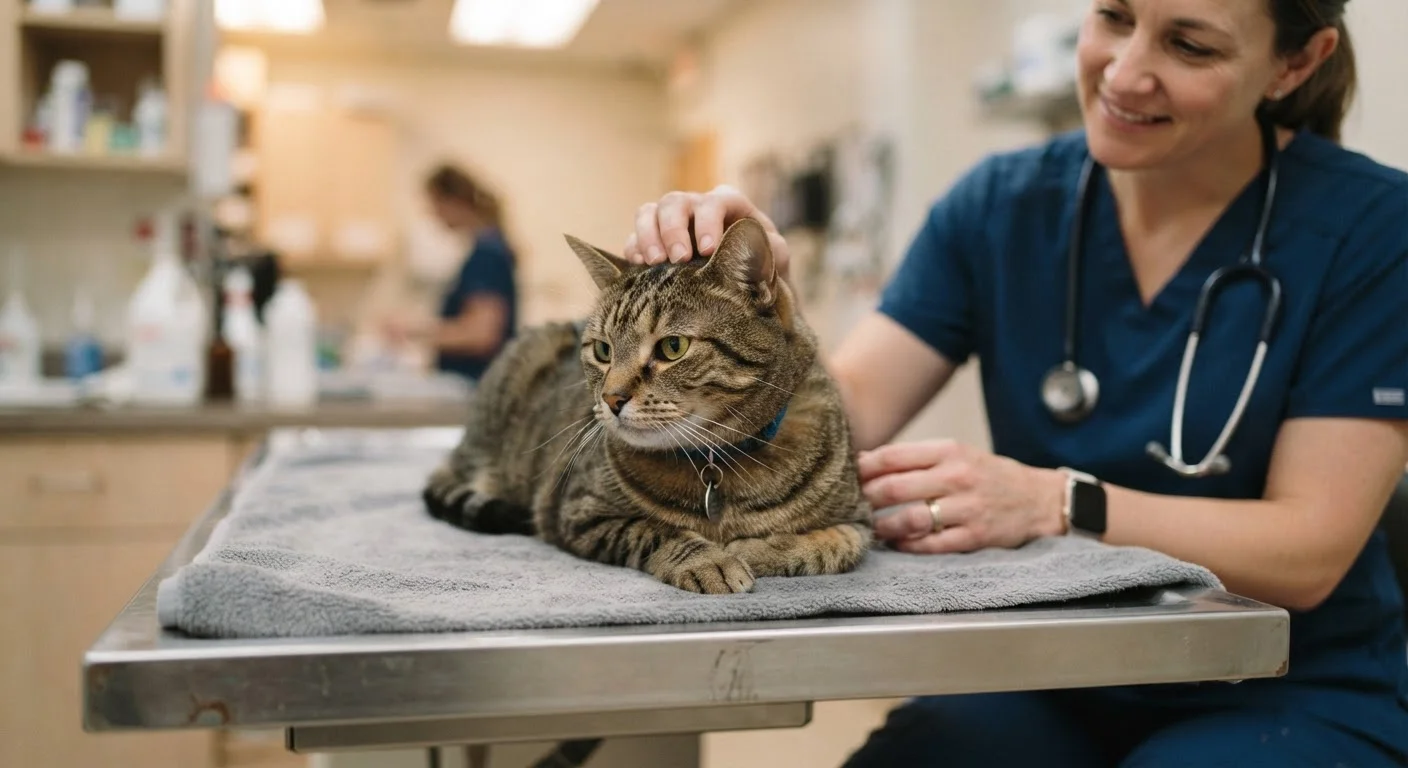
- Cats need annual veterinary checkups even when they appear perfectly healthy.
- Indoor cats still face real health risks, including obesity and dental disease.
- A cat's age in 'human years' is not simply seven times its calendar age.
- Milk is not a healthy treat for most adult cats, who are commonly lactose intolerant.
Why Cat Health Myths Are Surprisingly Persistent
Cats are among the most popular pets in the United States, yet some of the most widely held beliefs about their health turn out to be inaccurate - sometimes in ways that delay care or create false reassurance. Many of these myths have roots in real observations, which is part of what makes them so sticky. A cat does have a righting reflex. It does purr. But partial truths, taken out of context, can lead owners in the wrong direction.
The following myth-and-fact pairs reflect questions veterinarians commonly field from well-meaning cat owners. This content is general health education - it is not a substitute for professional veterinary advice. Always consult your vet about your individual cat's needs.
Myth
Cats always land on their feet and rarely get seriously hurt from falls.
Fact
Cats have a righting reflex, but falls - especially from moderate heights - can and do cause serious injuries.
The righting reflex allows cats to rotate their bodies mid-air to orient feet-downward, but this does not prevent injury on impact. Veterinary emergency rooms regularly treat cats for fractured limbs, jaw injuries, and internal trauma resulting from falls - a condition sometimes called high-rise syndrome. Shorter drops can actually be more dangerous than very high ones, because the cat may not have enough time to fully right itself. Never assume a fall was harmless without a veterinary assessment.
Myth
Purring always means a cat is happy and relaxed.
Fact
Cats purr in a range of emotional and physical states, including fear, illness, and pain.
Purring is often a self-soothing behavior. Cats may purr when giving birth, when injured, or when they are seriously ill. Some researchers suggest the vibration frequency of a purr (roughly 25-150 Hz) may have mild physiological benefits, but this remains an area of ongoing study. If your cat is purring alongside other signs of distress - hiding, loss of appetite, or changes in posture - consult a veterinarian rather than assuming all is well.
Myth
Milk is a healthy, natural treat for cats.
Fact
Most adult cats are lactose intolerant and cow's milk can cause digestive upset.
Kittens produce the enzyme lactase to digest their mother's milk, but most cats produce far less of it as they mature. Offering cow's milk to an adult cat commonly leads to diarrhea, stomach cramping, and vomiting. Water is the appropriate daily drink for cats. If you want to offer a liquid treat occasionally, specially formulated cat milk products with reduced lactose are available, though even these should be given sparingly and are not nutritionally necessary.
Myth
Indoor cats don't need annual vet visits because they can't catch diseases.
Fact
Indoor cats face their own set of health risks and benefit from routine veterinary care.
While indoor cats are shielded from many infectious diseases and parasites, they are not immune to health problems. Obesity, dental disease, urinary tract issues, hyperthyroidism, and diabetes are all common in cats that never go outside. Many of these conditions develop gradually and show few outward signs until they are advanced. Routine wellness exams allow veterinarians to catch problems early - which is generally associated with better outcomes and lower treatment costs over time. For a broader look at how environment shapes feline wellbeing, see Indoor vs. Outdoor Cats: What Each Lifestyle Means for Long-Term Wellbeing.
Myth
You can calculate a cat's age by multiplying its years by seven.
Fact
Cat aging is not linear - the first two years represent rapid maturation, and the formula varies significantly after that.
A one-year-old cat is developmentally closer to a 15-year-old human, and a two-year-old is roughly equivalent to a 24-year-old. After that, each additional year is estimated to equal around four human years - not seven. This matters because age-related health needs change at different life stages. Senior care, dietary adjustments, and screening for age-related conditions should be guided by your veterinarian based on your cat's actual developmental stage.
Myth
Cats are completely self-sufficient and instinctively know how to stay healthy.
Fact
Cats mask illness effectively, which can delay necessary care - they are not self-managing their health.
Cats evolved as both predator and prey, and concealing vulnerability is an instinctive survival behavior. This means cats often hide symptoms of pain or illness until a condition is fairly advanced. Changes in litter box habits, grooming patterns, appetite, or social behavior can be early warning signs that owners may miss without knowing what to look for. New pet owners in particular can benefit from guidance on common oversights - the First-Time Pet Owner Health Pitfalls Worth Knowing About Early article covers several patterns worth understanding early.
What These Myths Have in Common
Most of these misconceptions share a theme: they underestimate how much professional input cats need throughout their lives. Because cats are quiet, clean, and often appear self-sufficient, it is easy to assume they require less active health management than dogs. Veterinary and animal behavior experts consistently push back against this framing.
Don't Wait for Obvious Symptoms
Cats are instinctively skilled at concealing pain and illness - by the time a problem is visually apparent, it may already be well advanced. Behavioral shifts such as reduced grooming, changes in litter box use, or unusual quietness can be early indicators worth discussing with a vet. Routine wellness exams, even for cats that seem perfectly healthy, provide an important baseline for catching changes over time.
Staying informed is a meaningful first step. Explore the Pet Care Basics hub for practical, evidence-grounded guidance across everyday cat care topics. And if you've ever wondered whether cats can actually be trained - another area thick with misconceptions - Cat Training: Separating Myth from Reality offers a clear-eyed look at what animal behavior research actually shows.
~50%
Adult cats estimated to be overweight or obese
The Association for Pet Obesity Prevention has estimated that roughly half of domestic cats in the U.S. are overweight or obese, a condition linked to diabetes, joint disease, and reduced lifespan.
70%+
Cats over age 3 with some form of dental disease
Veterinary dental health guidelines note that the majority of cats show signs of periodontal disease by age three, yet dental care remains one of the most commonly overlooked aspects of routine cat health.
Nutrition is another domain where myths circulate widely. For a companion look at feeding-related misconceptions, see Common Myths About Pet Nutrition That Keep Circulating Online.
This article is for informational purposes only and does not constitute veterinary or medical advice. Consult a licensed veterinarian for guidance specific to your cat's health and circumstances.