

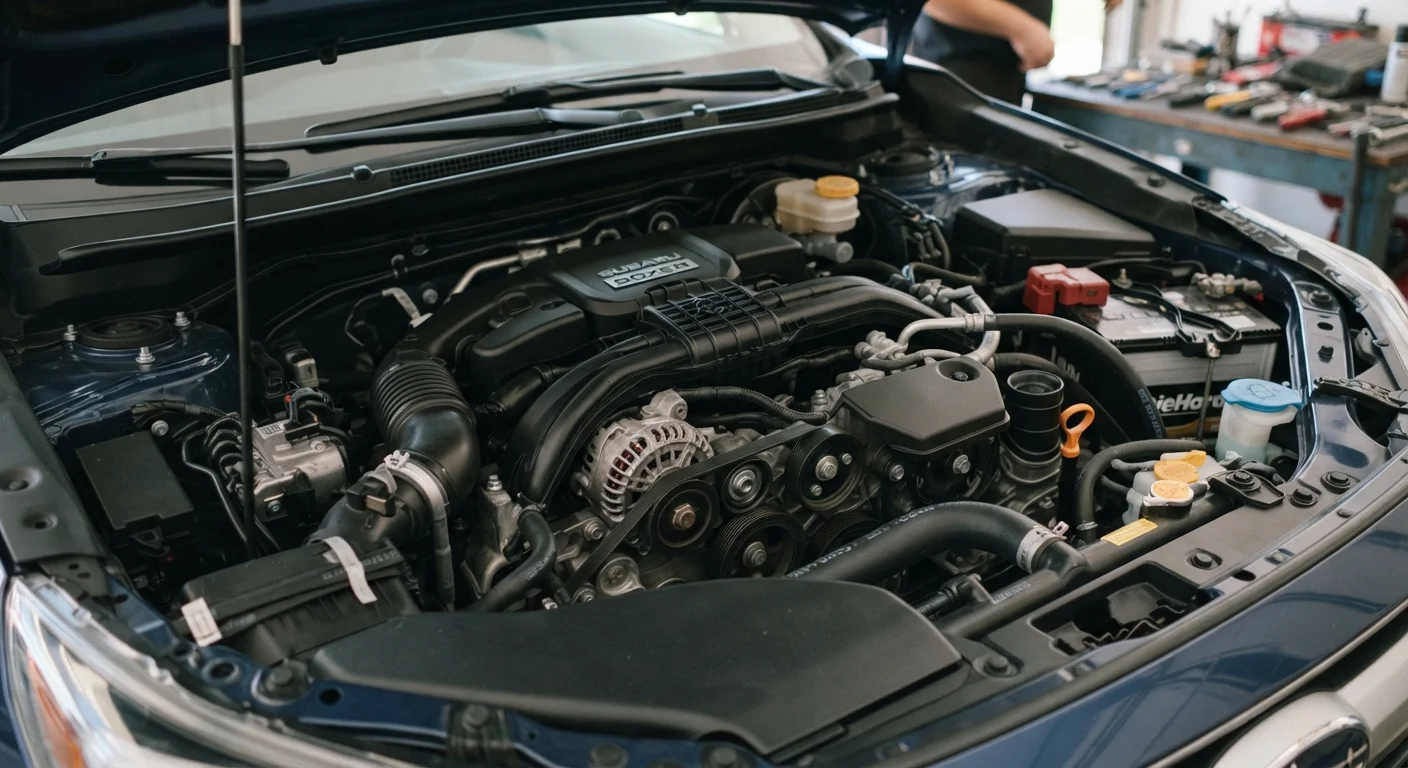
Key Takeaways
- Several under-hood components are routinely skipped during self-inspections but degrade silently over time.
- Items like serpentine belts, coolant hoses, and air filters have predictable service intervals worth tracking.
- Catching wear early on these parts typically costs far less than addressing a roadside failure.
- Many of these checks require no tools and can be done in your driveway in under ten minutes.
- Always consult a qualified mechanic when you spot damage or are unsure about a component's condition.
The Parts That Don't Get Enough Attention
Oil changes and tire rotations get most of the maintenance spotlight - and for good reason. But pop the hood and you'll find a handful of components that quietly degrade between service visits, rarely appearing on a quick-lube checklist. When they do fail, the timing is almost always inconvenient and the repair bill is rarely small.
The good news: most of these items are straightforward to inspect visually. You don't need a lift or a mechanic's training - just knowing what to look for puts you ahead of the majority of drivers. For a broader look at what a professional covers during a service appointment, see what mechanics check during a standard service.
The seven items below are the ones most commonly missed - and most worth adding to your routine.
Serpentine Belt
The serpentine belt drives the alternator, power steering pump, air conditioning compressor, and sometimes the water pump - all from a single looping belt. If it snaps, multiple systems fail simultaneously, often leaving you stranded. Most belts are rated for 60,000-100,000 miles, but heat, oil contamination, and age accelerate wear. Look for small cracks across the ribbed underside, fraying along the edges, or any glazing (a shiny, hardened surface). If the belt squeals on cold starts, that's another signal worth investigating promptly.
A snapped serpentine belt can disable steering, charging, and cooling in one go.
Coolant Hoses
Radiator and heater hoses carry pressurized coolant between the engine, radiator, and heater core. Over time, the rubber hardens, softens unevenly, or develops small cracks near the clamps where stress concentrates. Squeeze each hose when the engine is cold - it should feel firm but slightly pliable, not rock-hard, spongy, or swollen. Visible cracking, bulging, or a sticky residue around a clamp all indicate a hose nearing the end of its service life. A burst hose can cause rapid overheating; catching one early is a low-cost fix by comparison.
Hose failure near a clamp is common and preventable with a simple squeeze test.
Engine Air Filter
A clogged air filter restricts airflow to the engine, which can reduce fuel efficiency and make the engine work harder than necessary. Most manufacturers recommend replacement every 15,000-30,000 miles, but dusty driving environments shorten that interval. The filter housing is usually easy to access without tools - open it and hold the filter up to light. If you can't see light through the pleats, or the material is visibly grey or packed with debris, it's due for replacement. This is one of the simplest under-hood swaps a driver can make.
Holding an air filter up to light is the fastest way to judge whether it needs replacing.
Cabin Air Filter
Often confused with the engine air filter, the cabin air filter cleans air entering the passenger compartment through the HVAC system. A blocked cabin filter reduces airflow from vents, can cause musty odors, and puts extra strain on the blower motor. It's typically located behind the glove box or under the dashboard, and replacement intervals are similar to the engine filter - around 15,000-25,000 miles. It's easy to overlook because its failure doesn't trigger a warning light, but the comfort and air quality impact is real.
A musty smell from your vents is often a blocked cabin air filter, not a bigger problem.
Battery Terminals and Connections
Battery failure is one of the leading causes of breakdowns, and corroded terminals are a significant contributing factor. White or blue-green buildup around the terminal posts increases electrical resistance, which can cause slow cranking, intermittent electrical issues, and premature battery drain. Terminals should look clean and firmly seated. Minor corrosion can often be addressed with a terminal cleaning brush, but if corrosion is extensive or the cables feel loose, have a mechanic assess the connections. For a deeper look at battery condition monitoring, see battery health and breakdown prevention.
Corroded battery terminals increase resistance and can cause symptoms that mimic a failing battery.
PCV Valve
The PCV valve manages pressure inside the engine crankcase by routing blow-by gases back into the intake system rather than venting them to atmosphere. A stuck or clogged PCV valve can cause increased oil consumption, rough idle, sludge buildup inside the engine, or even oil leaks from seals stressed by excess pressure. It's a small, inexpensive part - typically a straightforward replacement - but it's rarely on a driver's radar until something else goes wrong. Check your owner's manual for the recommended inspection interval.
A stuck PCV valve can quietly accelerate sludge buildup and seal wear inside the engine.
Windshield Washer Fluid Reservoir and Hoses
This one gets dismissed as trivial, but a cracked reservoir or a kinked spray hose becomes a safety issue when road grime obscures your windshield. The reservoir is easy to inspect visually for cracks or staining from slow leaks. Trace the thin tubing that runs to the hood-mounted nozzles and check for brittleness or kinks. While you're there, confirm the fluid level. Using plain water in freezing temperatures can crack the reservoir and lines - always use a rated washer fluid. For more seasonal inspection reminders, see seasonal car checks every driver should know.
A cracked washer reservoir is a cheap fix; discovering it only when your view is obscured is not.
Making These Checks a Habit
None of these inspections require a mechanical background. A quick visual check every few months - or whenever you're already under the hood topping up fluids - is enough to catch the majority of developing issues before they escalate. For a structured approach to fluid checks you can do yourself, see fluid checks you can do in your driveway.
Build It Into an Existing Habit
Link your under-hood checks to something you already do regularly - such as filling up with fuel once a month or checking tire pressure. A brief visual scan of belts, hoses, and fluid reservoirs takes less than five minutes when you're already near the car. Pairing new habits with existing ones is one of the most reliable ways to make inspection routines stick.
If you're not sure whether a component looks normal, photograph it and show it to a trusted mechanic at your next service. Spotting wear early almost always means lower repair costs - and that's a straightforward way to protect your car ownership budget over the long term.
This article is for general informational purposes only. Always consult a qualified mechanic before performing or deferring any vehicle repair.