

Key Takeaways
- Defensive driving is about anticipating hazards, not just reacting to them.
- Maintaining a safe following distance is one of the most impactful defensive habits.
- Scanning the road ahead - not just immediately in front - gives you more response time.
- Driver fatigue and distraction undermine even the most practiced defensive skills.
- Defensive driving principles apply equally on highways, city streets, and rural roads.
Defensive Driving
Defensive driving is a set of skills and habits that allow a driver to anticipate hazards, account for other road users' behavior, and respond to unexpected events before they escalate into collisions. It goes beyond following traffic laws - it means actively managing risk rather than reacting to it after the fact. A defensive driver assumes that other drivers may make mistakes and plans accordingly.
Defensive driving is formally taught in NHTSA-recognized courses and is grounded in concepts like the Smith System and SIPDE (Scan, Identify, Predict, Decide, Execute) - structured frameworks used by professional and commercial drivers.
The Core Idea: Expect the Unexpected
Most drivers think of themselves as safe because they follow traffic laws and haven't had an accident. But following rules and driving defensively are not the same thing. Defensive driving means treating the road as an environment full of variables you don't control - and building enough margin into your decisions that you can respond when something goes wrong.
The central principle is simple: assume other drivers may not see you, may not signal, and may not stop in time. This isn't pessimism - it's practical risk management. By expecting the unexpected, you preserve time and space to act rather than just react.
Defensive Driving Courses Are Widely Available
Many states recognize approved defensive driving courses for license point reduction or insurance purposes. Programs vary by state, so check your state DMV's website for recognized providers and eligibility rules. Completing a course doesn't exempt you from traffic law - it supplements it.
The Five Habits That Define Defensive Driving
Defensive driving comes down to a handful of consistently applied behaviors:
- Scan far ahead. Keep your eyes moving and look 10-15 seconds down the road, not just at the bumper in front of you. Early detection of brake lights, merging vehicles, or debris buys you the time to respond smoothly.
- Maintain a safe following distance. The three-second rule is a minimum baseline - leave three seconds of gap between you and the vehicle ahead. In rain, fog, or heavy traffic, extend that gap further. Tailgating dramatically reduces your ability to stop in time, even at moderate speeds.
- Manage your speed for conditions. Posted speed limits reflect ideal conditions. Wet roads, poor visibility, heavy traffic, or curves all warrant additional caution.
- Stay out of blind spots. Minimize the time you spend in other drivers' blind zones - particularly alongside trucks and large vehicles - and keep your own mirrors properly adjusted.
- Eliminate distractions. Phones, food, and in-car conversations all divide attention. Defensive driving requires full cognitive engagement - the kind that distraction directly undermines.
Practice the Three-Second Count Daily
Pick a fixed point on the road - a sign or overpass - and count how long after the car ahead passes it before you reach the same point. If it's less than three seconds, you're following too closely. Making this a consistent habit takes less than a week to automate.
Why Awareness Is the Foundation
Technique matters, but awareness is what makes defensive driving work. If you're not scanning your environment continuously, no amount of skill recovers time you've already lost. This is why fatigue is such a serious threat - tiredness impairs the judgment and reaction speed that defensive driving depends on.
Situational awareness also means understanding how road conditions change your risk profile. Night driving introduces hazards that daytime skills alone don't prepare you for - reduced visibility and higher rates of impaired drivers require adjusted habits.
94%
Crashes involving human choice or error
According to NHTSA research, approximately 94% of serious crashes involve driver error as a critical reason - underscoring why behavioral skills matter more than vehicle capability alone.
3 sec
Minimum recommended following distance
The three-second rule is a standard guideline taught in US driver education programs and defensive driving courses; adverse conditions warrant increasing this gap further.
25%
Increased stopping distance on wet roads
Wet pavement can increase stopping distances by roughly 25% or more compared to dry conditions, according to general traffic safety education sources, reinforcing the need to slow down in rain.
Applying Defensive Driving in Real Conditions
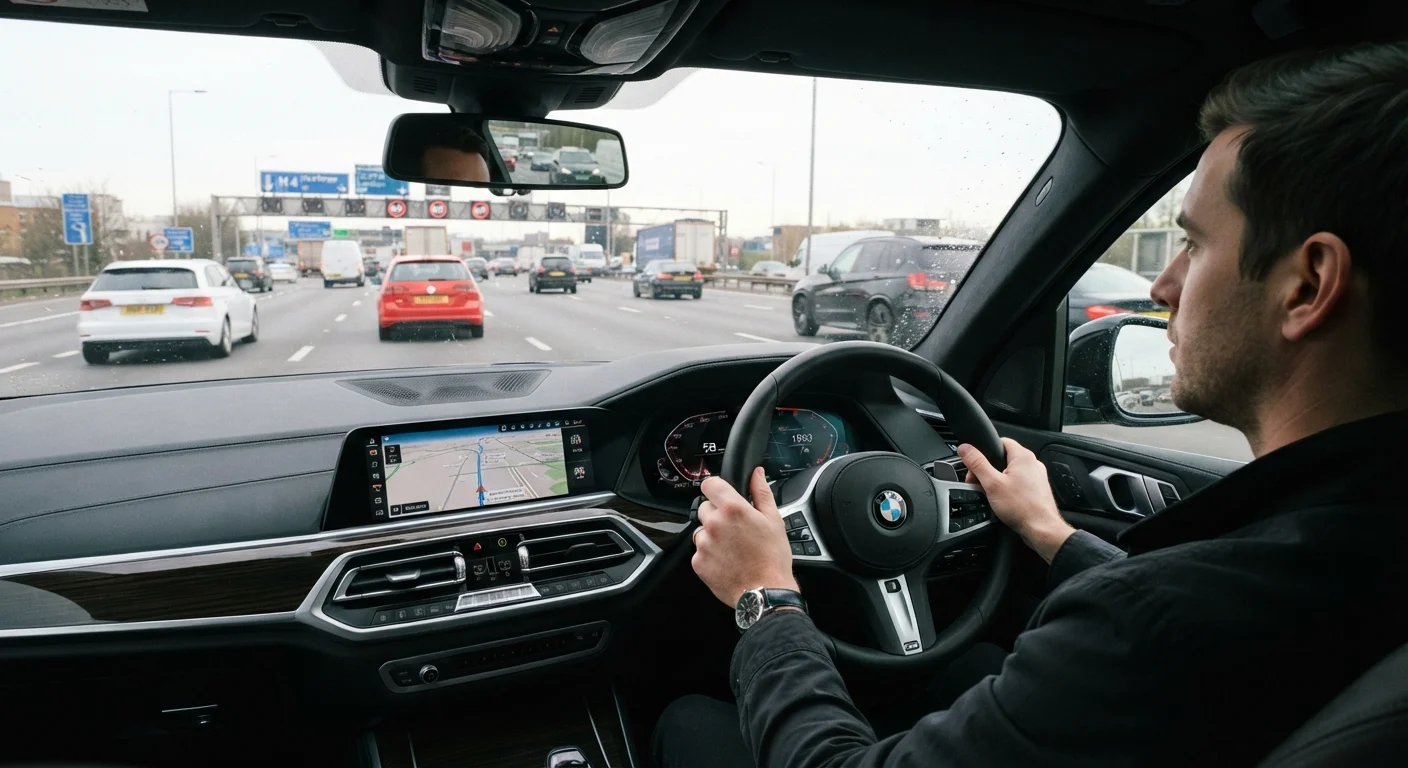
Defensive principles are universal, but their application shifts with context. On highways, the priority is maintaining lane discipline and appropriate spacing at higher speeds. First-time motorway drivers often underestimate how quickly situations develop at 65-70 mph - the gap-keeping and scanning habits of defensive driving are non-negotiable at those speeds.
In urban environments, the challenge shifts to intersections, pedestrians, and cyclists. A defensive urban driver treats every green light as a cue to check cross-traffic before proceeding, not a guaranteed right of way.
The underlying skill that ties all of this together is building genuine habits over time - not just knowing what to do, but doing it automatically. Consistent driving habits require deliberate repetition until they become second nature.