

Key Takeaways
- Skipping tyre rotation causes uneven wear that shortens tyre life significantly.
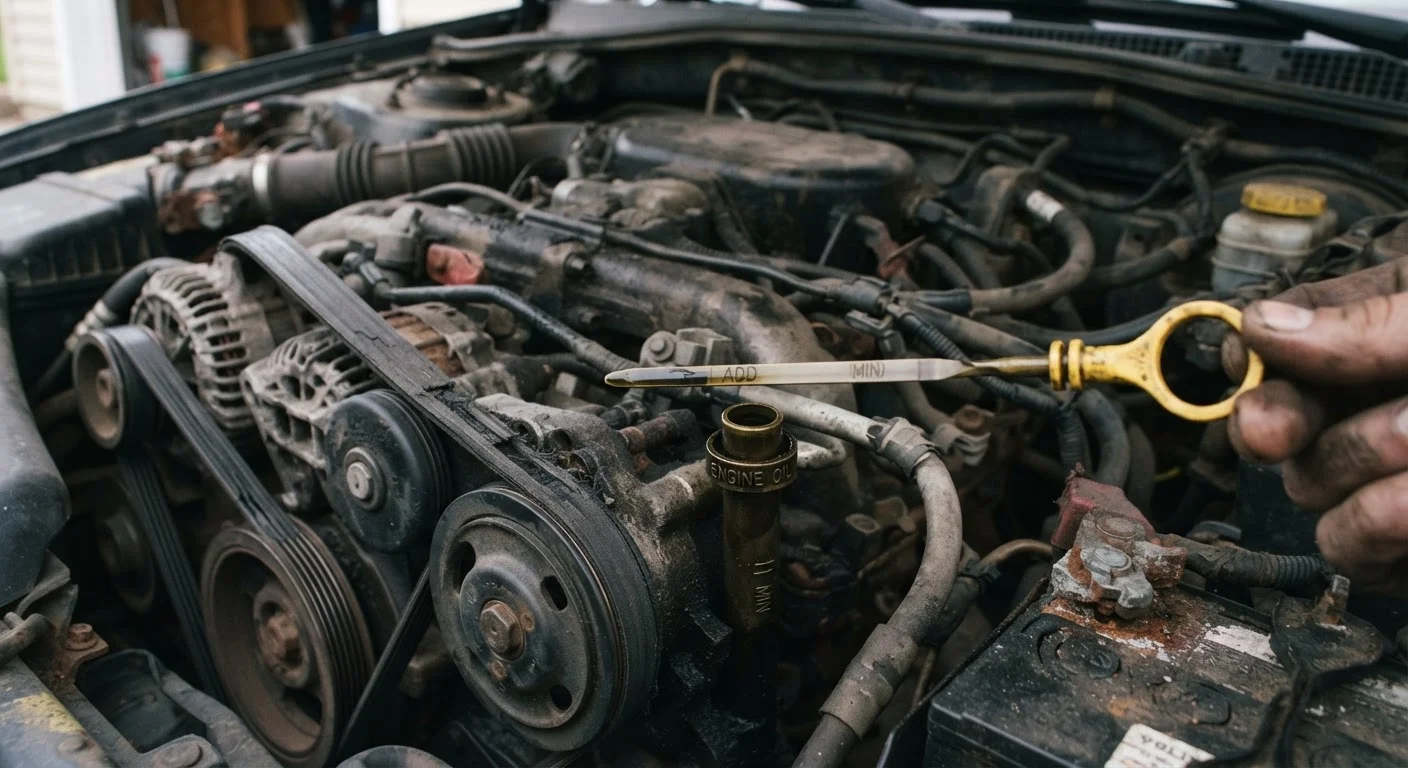
- Using the wrong engine oil viscosity or topping up with mismatched fluids can cause internal damage.
- Ignoring low coolant levels risks overheating, one of the most expensive engine failures.
- Driving on a low battery strains the alternator and leads to cascading electrical problems.
- Deferred minor maintenance often results in repair bills that dwarf the original service cost.
Why Small Habits Quietly Compound Into Big Repair Bills
Most vehicles don't fail dramatically. They degrade gradually - through repeated small omissions that each seem harmless in isolation. A tyre that's never rotated, an air filter that's one service past due, a fluid reservoir that's been hovering at the minimum for months. Individually, none of these feel urgent. Together, they quietly shorten the working life of a car and stack up costs that blindside drivers when they finally land.
Understanding which habits do the most damage - and why they're so easy to fall into - puts everyday drivers in a better position to act before problems become expensive. For a full picture of the maintenance tasks that matter across a vehicle's life, see this end-to-end maintenance guide.
Skipping tyre rotation at recommended intervals.
Why it happens: Many drivers assume rotation is optional because tyres look fine visually. Front and rear tyres wear at different rates, so uneven wear builds gradually and invisibly.
Topping up fluids without checking the correct specification.
Why it happens: Fluid bottles look similar on a shelf, and drivers often assume any engine oil or coolant will do in a pinch. Mixing incompatible specs can quietly degrade seals and internal components.
Letting the engine run consistently low on coolant.
Why it happens: Coolant levels drop slowly through minor seeps or evaporation, so drivers rarely notice until a warning light appears - often when damage is already underway.
Ignoring early brake wear signs like squealing or a soft pedal.
Why it happens: Brake noise often comes and goes, leading drivers to dismiss it as situational. The cost of brake work also makes people hesitant, causing delays that turn a pad replacement into a rotor replacement.
Driving short trips almost exclusively without occasional longer runs.
Why it happens: Short trips are simply the reality of many people's daily routines. However, engines rarely reach full operating temperature on short runs, meaning moisture and fuel residue accumulate in the oil.
Neglecting the air filter until it causes a noticeable performance drop.
Why it happens: Air filters are out of sight and rarely mentioned outside of formal services. A clogged filter restricts airflow, reducing fuel efficiency and making the engine work harder before most drivers notice.
The Maintenance Gaps Most Drivers Don't Realize They're Creating
Beyond the six mistakes above, there's a broader pattern worth recognizing: many drivers service what's visible and defer what isn't. Belts, hoses, battery terminals, and coolant condition rarely get attention until failure forces it. Under-the-hood items drivers most often overlook covers exactly these components and why they're worth adding to a regular inspection routine.
Wrong Fluid Can Cause Immediate Damage
Adding the wrong type of transmission fluid, brake fluid, or coolant can compromise seals, corrode internal components, and void coverage under a service warranty. Always cross-check your owner's manual before topping up any fluid - not just the oil. When in doubt, ask a qualified mechanic rather than guess.
Tyre care is another area where well-intentioned drivers often have gaps. Pressure and tread depth checks are more consequential than most people assume - the complete tyre maintenance reference explains what numbers mean and when to act. And if a dashboard warning light is already on, this breakdown of what common indicators actually signal can help you decide how urgently to respond.
~35%
Breakdowns attributed to battery failure
Battery failure is consistently cited as one of the leading causes of roadside breakdowns across multiple roadside assistance provider reports.
2-3x
Cost multiplier when pads wear into rotors
Industry service data generally shows that delaying brake pad replacement until rotors are scored can double or triple the total repair cost compared to catching wear early.
Staying ahead of these gaps doesn't require mechanical expertise - it requires consistency. Building a realistic maintenance budget is a practical starting point; this guide to servicing and repair costs can help you estimate what to set aside so that routine work doesn't feel like an unplanned expense.