

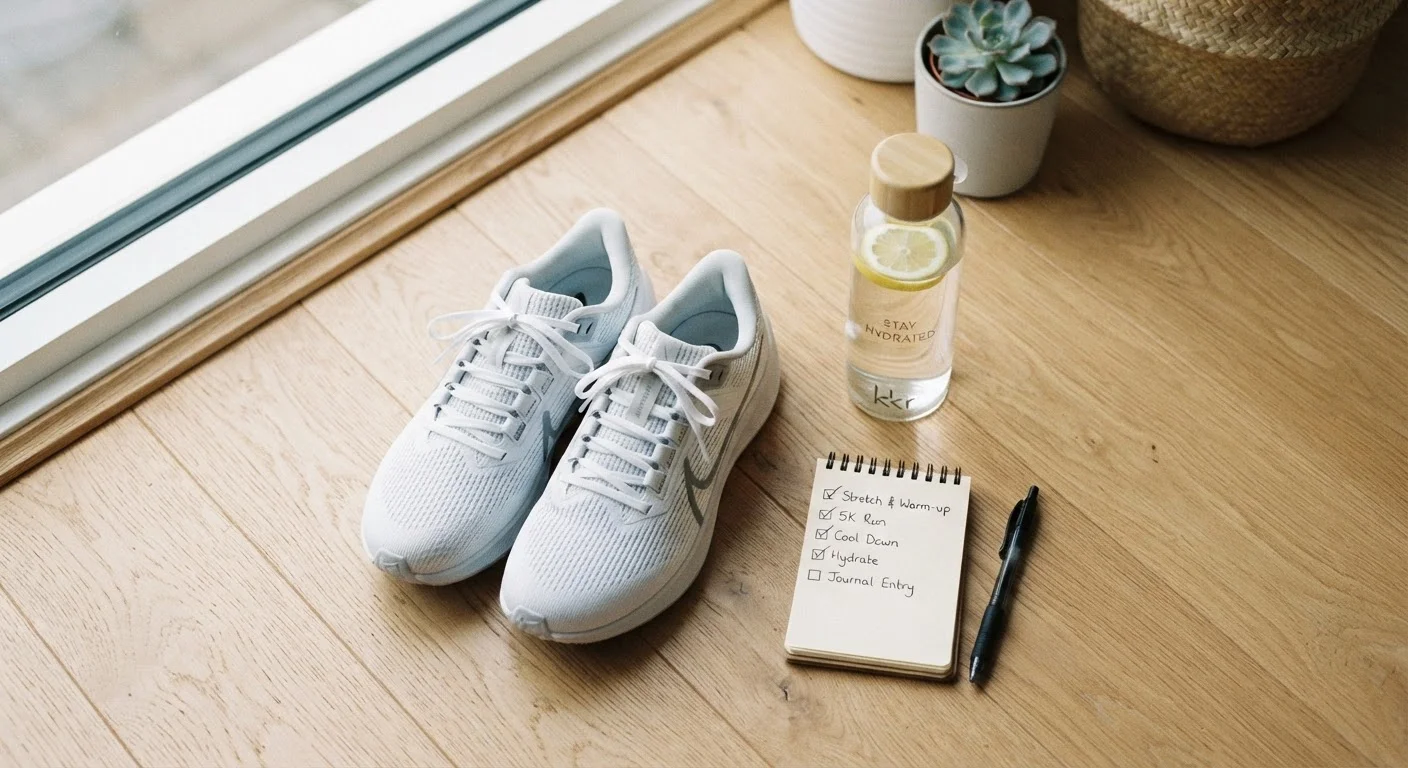
Key Takeaways
- Getting medical clearance first is the most important step for anyone with existing health conditions.
- You don't need a gym or expensive equipment to start exercising safely and effectively.
- Choosing a realistic schedule and modest goals dramatically improves long-term consistency.
- Proper footwear and a clear workout space are the only true equipment essentials for beginners.
- Hydration, sleep, and a light pre-workout meal are controllable factors that affect your first session.
Summary
18 items · 20-40 minutes
Why a Pre-Workout Checklist Matters
Starting a new exercise routine is one of the most positive health decisions a person can make - but going in unprepared is one of the most common reasons people quit within weeks. Skipping safety checks, setting unrealistic expectations, or simply not having a clear plan can turn early enthusiasm into frustration or injury.
This checklist is designed for anyone beginning a fitness routine from scratch, with a particular focus on low-cost, no-gym approaches that work with real schedules and budgets. Run through it once before your very first session. It takes less than an hour and could save you significant setbacks. If you're looking for what comes next, our complete guide to bodyweight training walks you through building a sustainable home routine.
Check With a Doctor First If You Have Health Concerns
If you have a diagnosed health condition, have been inactive for an extended period, or experience symptoms like shortness of breath or chest discomfort during daily activity, speak with a qualified healthcare provider before beginning any exercise program. This checklist is general educational guidance, not medical advice. Your provider can help you identify safe starting points and any necessary modifications.
What You'll Need
The good news: very little. The checklist below assumes a home or outdoor workout setting with no equipment purchases required. A few basic items make the experience safer and more comfortable.
Supportive Athletic Footwear
Provides cushioning and stability for bodyweight exercises, especially on hard floors or uneven outdoor surfaces.
Yoga Mat or Exercise Mat
Cushions joints during floor-based exercises like push-ups, planks, and stretches.
Water Bottle
Keeps you hydrated throughout your session without needing to leave your workout space.
Timer or Smartphone
Helps you track work and rest intervals, keeping sessions structured without guesswork.
Notebook or Notes App
Lets you log completed sessions, track progress, and note any movements that need modification.
Your Pre-Workout Readiness Checklist
Work through each group below before lacing up for the first time. Items marked must are non-negotiable for safety; should items are strongly recommended; and nice-to-have items can improve your experience over time.
Medical & Health Clearance
Space & Equipment Setup
Goal Setting & Scheduling
Safety & Emergency Prep
Mindset & Motivation
Don't Skip the Warm-Up on Day One
Beginning your first workout cold - jumping straight into exertion without any warm-up - significantly increases the risk of muscle strain, particularly for someone who has been sedentary. Spend at least 5 minutes doing light dynamic movement (arm circles, leg swings, slow marching in place) before increasing intensity. This applies to every session, not just the first.
For a deeper look at which movements are worth including in your routine, see effective no-equipment exercises and how to combine them safely. You can also explore the broader picture of home fitness in our full practical overview of home fitness.
One Final Check: Are You Ready Right Now?
Even if every box on the list is ticked, your immediate physical state on the day of your first workout matters. Consider these day-of questions before you begin:
- Sleep: Did you get adequate sleep last night? Exercising on significant sleep deprivation increases injury risk and reduces the benefit of the session.
- Nutrition: Have you eaten a light meal or snack in the past 1-3 hours? Exercising on an empty stomach is fine for some people, but others experience dizziness or weakness. Listen to your body.
- Hydration: Have you been drinking water throughout the day? Aim to be well-hydrated before you start rather than catching up mid-session.
- Warm-up ready: Plan to spend at least 5 minutes warming up with dynamic movement before any intense effort. Research consistently supports dynamic warm-ups over static stretching before exercise - see what the research says about stretching for more detail.
This article is for general informational and educational purposes only and is not a substitute for professional medical advice. If you have any health conditions, injuries, or concerns, consult a qualified healthcare provider before beginning any new exercise program.