

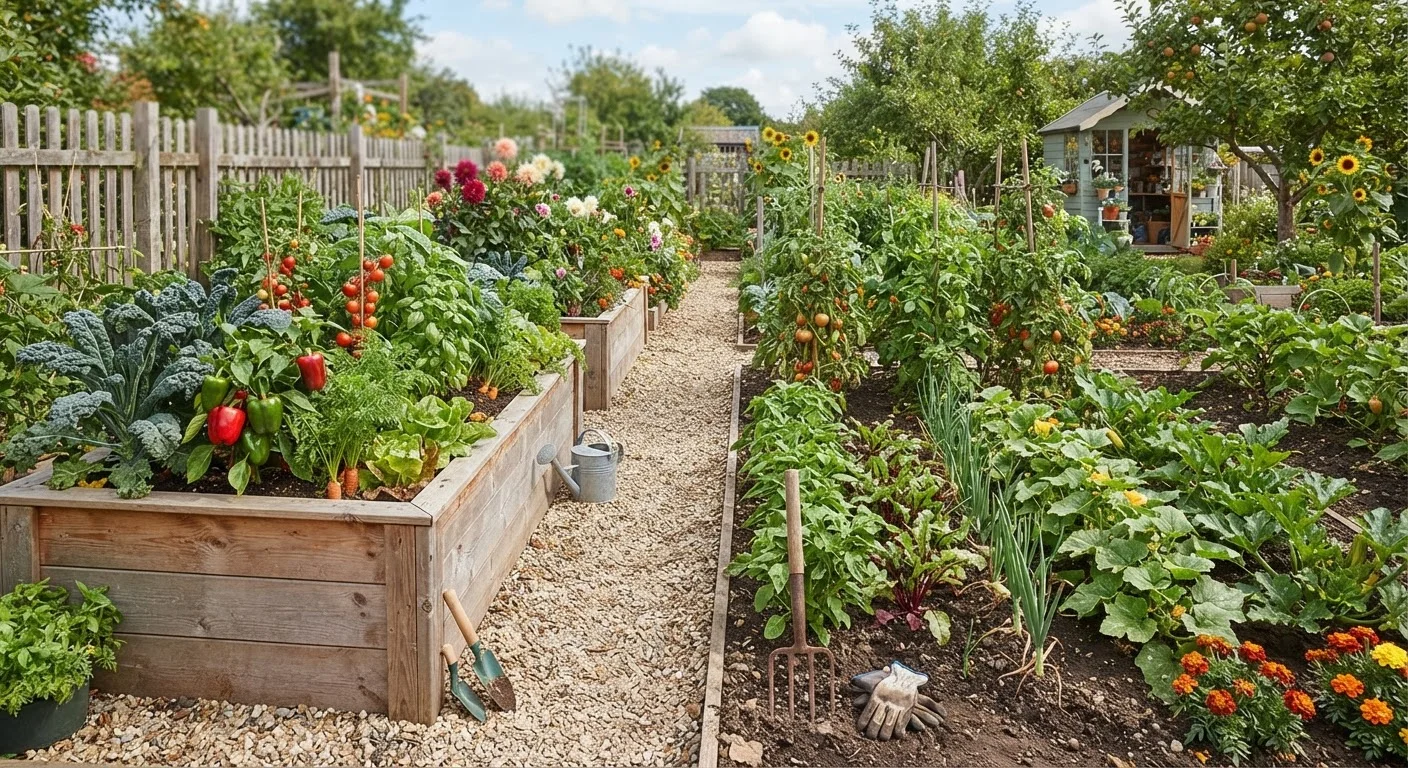
Key Takeaways
- Raised beds offer better drainage and soil control but require a higher upfront investment.
- In-ground planting costs less to start and suits larger growing areas on a tight budget.
- Accessibility and back strain are real factors - raised beds reduce bending for many gardeners.
- Soil quality in your yard largely determines which approach will perform better long-term.
- Both methods can thrive with the right soil amendments, mulching, and watering practices.
Our Verdict
Neither raised beds nor in-ground planting is universally superior - the right choice depends on your yard's existing soil, your physical comfort, and your starting budget. Raised beds reward those who want quick results and precise growing conditions, while in-ground plots suit gardeners with decent native soil who are growing at scale on a limited budget.
| Best for | Recommended |
|---|---|
| Gardeners with poor or compacted native soil | Raised Beds |
| Budget-conscious growers starting with a large planting area | In-Ground Planting |
| Those with limited mobility or back discomfort | Raised Beds |
| Established yards with healthy, loamy existing soil | In-Ground Planting |
Upfront Cost and Setup
In-ground planting wins on cost almost every time. To start a basic plot, you dig, amend with compost, and plant - often for well under $50 if you use homemade compost and save seeds. See our low-cost garden improvement guide for smart ways to stretch that budget further.
Raised beds carry a higher starting cost. Lumber, corner hardware, and quality fill soil (typically a blend of topsoil, compost, and coarse material) for a single 4×8 ft bed can run $100-$300 depending on material choices and local prices. If you're building multiple beds, those costs stack quickly. However, using reclaimed wood, concrete blocks, or even stacked stone can bring costs down noticeably.
| Raised Beds | In-Ground Planting | |
|---|---|---|
| Upfront cost | $100-$300+ per bed | Under $50 to start |
| Soil control | Full control over soil mix | Dependent on native soil quality |
| Drainage | Excellent by design | Variable; poor in clay-heavy yards |
| Watering frequency | Higher - dries out faster | Lower - retains moisture longer |
| Accessibility | Reduced bending and kneeling | More physical effort required |
| Scalability | Costly to expand | Easy and affordable to expand |
| Weed pressure | Low initially with clean fill soil | Higher without consistent mulching |
| Long-term soil improvement | Minimal ongoing amendment needed | Requires ongoing compost input |
Drainage, Soil Control, and Plant Health
One of the strongest arguments for raised beds is drainage. Water moves through a well-constructed raised bed freely, reducing the root rot and waterlogging that plague heavy clay soils. You also fill the bed with a soil mix you select - meaning you're not fighting decades of compaction, contamination, or poor structure from the start.
In-ground planting depends entirely on what you already have. Sandy or loamy native soil can be excellent and requires only light amendment with compost. Clay-heavy or rocky ground, however, may need years of work before it supports a productive garden. Understanding your soil type before committing to either method is worth the effort. A basic soil test - available through most county cooperative extension services - is inexpensive and gives you a clear starting point.
For either setup, mulching is one of the most effective tools you have. It retains moisture, moderates soil temperature, and suppresses weeds. Our guide to mulching garden beds covers exactly how to apply it for best results.
Test Before You Commit
A basic soil test from your local cooperative extension office typically costs $15-$30 and tells you pH, nutrient levels, and organic matter content. If your native soil tests poorly, that's a strong signal that a raised bed will save you time and frustration. If it tests well, in-ground planting may be all you need with light amending.
Accessibility, Maintenance, and Long-Term Effort
Raised beds sit elevated - typically 12 to 24 inches high - which reduces the back and knee strain of weeding, planting, and harvesting. For gardeners with mobility limitations, this can be a genuine quality-of-life difference, not just convenience.
In-ground plots require more physical bending and kneeling, but they're lower maintenance in one important way: they don't dry out as quickly. Raised beds, particularly in hot climates, may need watering more frequently because the exposed sides and elevated fill soil lose moisture faster than ground-level beds. That means either more time at the hose or an investment in drip irrigation.
Weeding effort tends to be lower in raised beds early on - especially if you fill with weed-seed-free soil - but in-ground beds can be managed effectively with consistent mulching. If transplanting is part of your workflow, both setups benefit from the same careful technique; check out why seedlings fail after transplanting to avoid common mistakes.
12-24 in
Typical raised bed height
Most gardening extension resources recommend this range to reduce bending while maintaining adequate root depth.
4×8 ft
Standard raised bed footprint
This size allows full reach from either side without stepping into the bed, minimizing soil compaction.
2-3x
More frequent watering needed
Raised beds in warm climates may need watering two to three times more often than in-ground plots during peak summer heat, according to general horticultural guidance.
Which Setup Makes Sense for Your Yard
Start by evaluating two things: your native soil quality and your available space. If a quick soil squeeze test shows heavy clay that doesn't crumble, or if you suspect contamination (older urban properties can have lead in soil), raised beds make far more practical sense. If your soil already has decent structure, in-ground planting is the financially sound choice - especially if you're gardening across a large area.
Budget also plays a role over time. While in-ground plots are cheaper to start, raised beds typically require less soil amendment in the long run because you control the mix from the beginning. For guidance on feeding your garden economically either way, our compost vs. store-bought fertiliser comparison breaks down the real costs and benefits of each approach.
There's no rule that says you must choose just one. Many homeowners run a small raised bed for herbs and high-maintenance crops while maintaining a larger in-ground plot for squash, tomatoes, or row crops - combining the advantages of both based on what each plant actually needs.