

Key Takeaways
- Transplant shock is caused by root damage, environmental stress, and timing errors - not bad luck.
- Hardening off seedlings before moving them outdoors is one of the most skipped but critical steps.
- Watering correctly in the days after transplanting makes or breaks a seedling's recovery.
- Soil quality at the transplant site directly affects whether roots can establish and thrive.
What Is Transplant Shock and Why Does It Kill Seedlings?
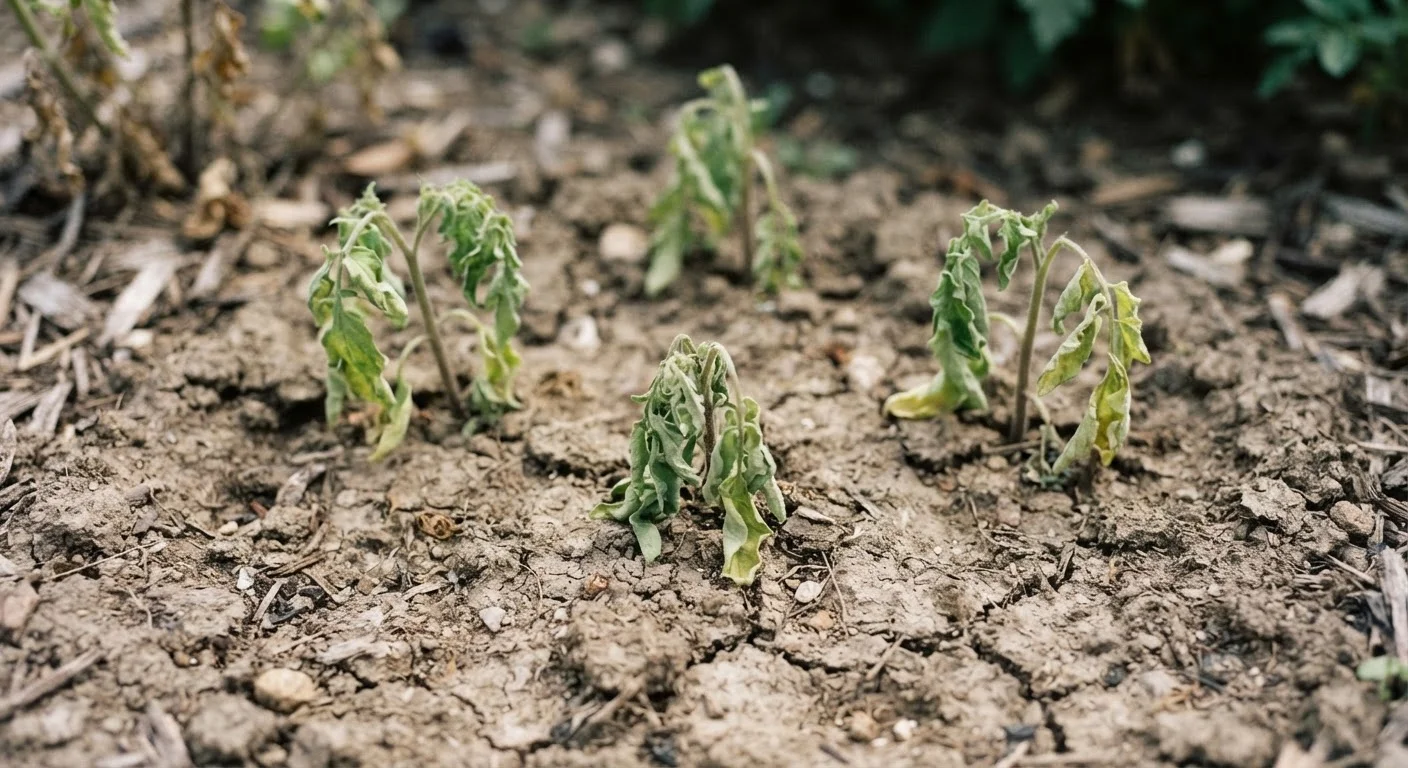
Transplant shock describes the stress a seedling experiences when its root system is disturbed and it is placed in a new environment. Roots that have grown in controlled indoor conditions suddenly face different temperatures, wind, moisture levels, and soil composition. The plant diverts energy from leaf growth to root repair, and if the stress is too severe, it cannot recover.
The frustrating part is that most transplant failures are predictable and preventable. Understanding the specific mistakes that trigger shock - rather than simply blaming weather or bad luck - puts you back in control. Whether you are growing tomatoes from seed or relocating perennial starts, the same core errors keep appearing. Our beginner's guide to vegetable gardening covers early-stage setup, but this article focuses specifically on what goes wrong at the transplanting stage.
Skipping the hardening-off process before moving seedlings outdoors.
Why it happens: Gardeners are eager to get plants in the ground and underestimate how differently indoor seedlings respond to direct sun, wind, and temperature swings.
Transplanting at the wrong time of day or in extreme weather.
Why it happens: Planting schedules are often driven by convenience rather than conditions - people transplant when they have time, not when conditions are ideal.
Disturbing or breaking the root ball during the move.
Why it happens: Seedlings are often removed from containers too quickly, or cells and trays are squeezed in ways that tear fine feeder roots - the very roots responsible for water uptake.
Planting too deep or too shallow.
Why it happens: There is a widespread assumption that deeper is better for stability, or that the existing soil level doesn't matter much.
Failing to water adequately in the first 48 hours after transplanting.
Why it happens: Some gardeners water once at planting and assume that is sufficient, or worry about overwatering and under-correct.
Setting Your Transplants Up for Long-Term Success
Avoiding the mistakes above is half the battle. The other half is giving seedlings every structural advantage once they are in the ground. Soil quality is often overlooked at this stage - gardeners focus on the plant and forget that roots can only establish as well as the soil allows. Compacted, nutrient-poor, or poorly draining ground will stall even a healthy transplant. See our guide on what makes soil healthy and productive before you dig your next transplant hole.
Watering habits in the week after transplanting are equally decisive. Overwatering is just as damaging as underwatering - waterlogged soil suffocates roots and invites fungal problems. If you are unsure how much moisture your plants actually need, common watering myths worth rethinking can help you recalibrate. Check soil moisture an inch below the surface before watering rather than relying on a fixed schedule.
Wilting Doesn't Always Mean Underwatering
A transplanted seedling that wilts within the first 24-48 hours is most likely experiencing normal transplant stress, not dehydration. Overwatering at this stage can suffocate roots and compound the problem. Before reaching for the hose, press a finger an inch into the soil - if it feels moist, give the plant more time rather than more water.
Finally, consider your planting setup itself. Raised beds tend to offer better drainage and soil control than in-ground plots, which can benefit newly transplanted seedlings in heavy clay soils. If your garden consistently drains poorly, it may be worth exploring the trade-offs between raised beds and in-ground planting before your next growing season.
Transplanting is a skill that improves with every season. Track what worked, note timing and conditions, and adjust accordingly. Most seedling losses trace back to a small number of correctable habits - change those, and your survival rate will improve noticeably.