

Key Takeaways
- Six or more hours of direct sunlight per day is the single most critical factor for a productive vegetable garden.
- Starting small - even a 4×8-foot plot - reduces overwhelm, cost, and wasted effort for beginners.
- Improving native soil with compost is usually cheaper and more effective than replacing it entirely.
- Fast-maturing crops like radishes, lettuce, and beans give beginners quick wins and build confidence.
- Consistent, shallow watering at the soil level prevents most common seedling problems.
- Seed-saving and free compost programs can dramatically cut the ongoing cost of home vegetable gardening.
Start here
Picking the Right Spot
Next
Preparing Your Soil
Then
Choosing What to Grow
When you're ready
Planting, Watering, and Basic Care
Make it last
Keeping Costs Low From Day One
Picking the Right Spot
Before you buy a single seed packet, walk your yard at different times of day and honestly assess where sunlight lands. Most vegetables need at least six hours of direct sun daily - eight is better for fruiting crops like tomatoes and peppers. A sunny spot with poor soil is far more salvageable than a shady spot with perfect soil.
Look for an area that is reasonably level, close enough to a water source that dragging a hose won't become a deterrent, and away from tree roots that will compete for nutrients. If your only sunny option is a patio or driveway edge, container gardening is a legitimate starting point - large pots or fabric grow bags work well for many crops.
In-Ground vs. Raised Beds: Both Work
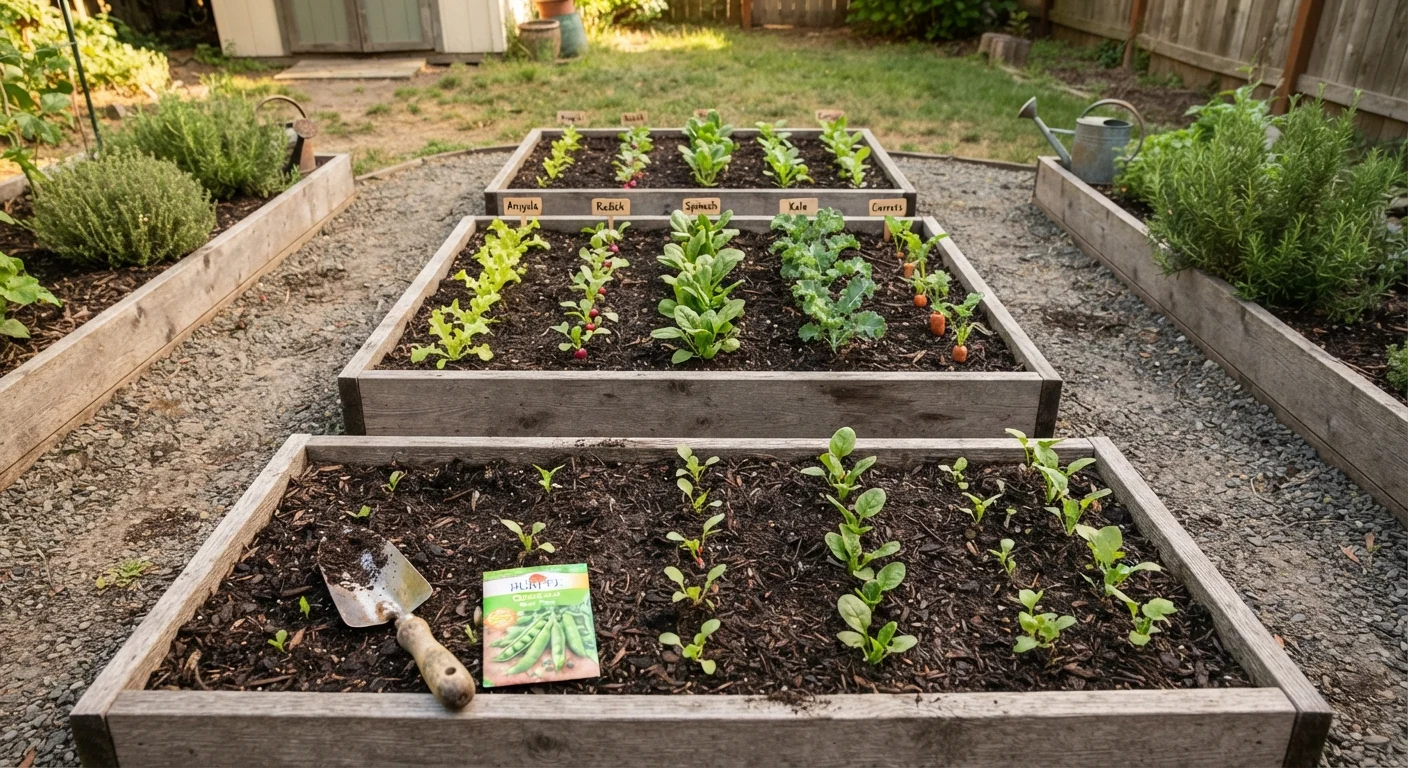
Neither approach is universally better for beginners. In-ground planting costs nothing extra and works well if your soil is decent and drains adequately. Raised beds give you more control over soil quality and can reduce back strain, but require upfront material investment. Your site conditions and budget should drive the decision.
If you're weighing whether to dig directly into your yard or build up, our detailed guide on raised beds vs. in-ground planting walks through cost, drainage, and long-term effort side by side.
Preparing Your Soil
Healthy soil is the foundation of every productive garden, and improving it doesn't have to be expensive. Before planting, do a simple squeeze test: grab a handful of moist soil and open your hand. If it holds a shape but crumbles easily when poked, the texture is good. If it stays in a hard clump or falls apart instantly like dry sand, amendment is needed.
Work two to four inches of finished compost into the top eight to ten inches of soil using a garden fork or tiller. Compost improves drainage in clay-heavy soils and adds water retention in sandy soils. Many municipalities offer free or subsidized compost to residents - check your local public works or waste management website. Avoid the temptation to over-till; doing so destroys beneficial soil structure and can compact soil over time.
Direct sowing
Planting seeds directly into outdoor garden soil, skipping the indoor seedling stage entirely.
Hardening off
Gradually exposing indoor-started seedlings to outdoor conditions over one to two weeks so they can adjust without stress.
Compost
Decomposed organic material - food scraps, yard waste - that improves soil texture and adds nutrients when mixed into garden beds.
USDA Plant Hardiness Zone
A geographic designation that helps gardeners know which plants are likely to survive winter conditions in their area and when to plant each season.
Open-pollinated variety
A plant variety that produces seeds reliably true to the parent plant, making seed-saving practical for home gardeners.
Soil amendment
Any material - compost, perlite, aged manure - mixed into soil to improve its structure, drainage, or nutrient content.
Choosing What to Grow
Picking the right crops is where many beginners go wrong. The goal isn't to grow everything - it's to grow what you'll actually eat, what suits your climate, and what succeeds with minimal intervention. Start with four to six crops maximum for your first season.
Reliable beginner crops include: lettuce and spinach (fast-growing, cool-season, small space), radishes (ready in as little as three weeks), green beans (low maintenance, high yield), zucchini (productive even in poor conditions), and cherry tomatoes (more forgiving than large varieties). Check your USDA Plant Hardiness Zone and local frost dates to confirm planting windows for each crop.
Growing vegetables you already buy regularly also makes a tangible dent in your grocery costs. For inspiration on linking your garden output to weekly meals, see our beginner's guide to meal planning.
Grow What You'll Actually Eat
Before finalizing your crop list, check what vegetables you buy most often at the grocery store. Growing high-use items like salad greens or cherry tomatoes gives you the most immediate return. Avoid the novelty trap of planting obscure crops you've never cooked with - they often go unharvested.
Planting, Watering, and Basic Care
Direct sowing (planting seeds straight into prepared soil) is cheapest and works well for beans, radishes, carrots, and leafy greens. Transplants - seedlings started indoors or purchased as small plants - make more sense for crops with long growing seasons like tomatoes and peppers. Space plants according to packet directions; crowding is one of the most common beginner mistakes and invites disease.
Water at soil level rather than overhead when possible. Wet foliage encourages fungal problems. Aim for consistent moisture - about one inch of water per week - rather than alternating drought and flood cycles. A simple rain gauge costs very little and takes the guesswork out of supplemental watering. If your seedlings struggle after moving outdoors, transplant shock is usually the culprit and is almost always preventable with a short hardening-off period.
Weed consistently but don't let it overwhelm you - a light hoe pass once a week is far easier than a single session after weeds have established. Mulching around plants with straw or shredded leaves suppresses weeds and conserves moisture at the same time.
Don't Skip the Hardening-Off Step
Moving seedlings straight from indoors to the garden - even on a mild day - can cause transplant shock that stunts or kills young plants. Introduce them to outdoor conditions gradually over seven to ten days, starting with an hour of shade and building up to full-sun exposure. Rushing this step is one of the most common and preventable beginner mistakes.
Keeping Costs Low From Day One
A vegetable garden should save money over time, not create a new expense category. The biggest lever is starting small - a modest plot costs little to set up and teaches you far more per square foot than a large one you can't maintain.
Save seeds from open-pollinated varieties at the end of each season. Many common vegetables - tomatoes, beans, peppers, squash - are easy to seed-save and can supply next year's garden for free. For more no-cost strategies, our article on low-cost ways to improve your garden covers sheet mulching, community seed swaps, and other approaches that work well alongside food gardening.
Track what you spend and harvest over the season - even a rough log helps you identify which crops gave the best return on your investment of time and money. That knowledge shapes a smarter, cheaper garden next year. Thinking about how garden savings fit into a broader household budget? Our beginner's savings plan guide is a useful companion read.
USDA Plant Hardiness Zone Map
The official interactive map from the USDA helps you identify your hardiness zone and understand which crops are suited to your region's climate and frost dates.
Local Cooperative Extension Office
Every US state has a cooperative extension service with free, region-specific planting guides, soil testing resources, and gardening advice tailored to local conditions.
Home Compost Planning Guide
Understanding what to compost, how to layer materials, and when compost is ready to use helps you build a free, ongoing soil amendment supply right in your backyard.