
Unit Price, Total Price, and Value: The Three Numbers Every Shopper Should Track

Why the Sticker Price Alone Misleads You
Most shoppers focus on one number: what does this cost right now? But that sticker price answers only part of the question. Without knowing the unit price and the actual value you'll receive, you're making decisions with incomplete information - and retailers know it.
Unit price tells you the cost per ounce, per sheet, per serving, or per whatever makes sense for that product. Total price is what leaves your wallet at the register. Value is the relationship between what you pay and what you actually use or benefit from. All three numbers matter, and ignoring any one of them is how bulk deals quietly drain budgets and sale tags fool careful shoppers.
Understanding how these figures interact is foundational to intentional spending. For a closer look at how retail pricing tactics manipulate perceived savings, see how sale prices can mislead.
Unit Price: The True Comparison Tool
Unit price is the cost divided by the measurable quantity - price per ounce, per count, per square foot. It strips away packaging differences and lets you compare products on equal footing.
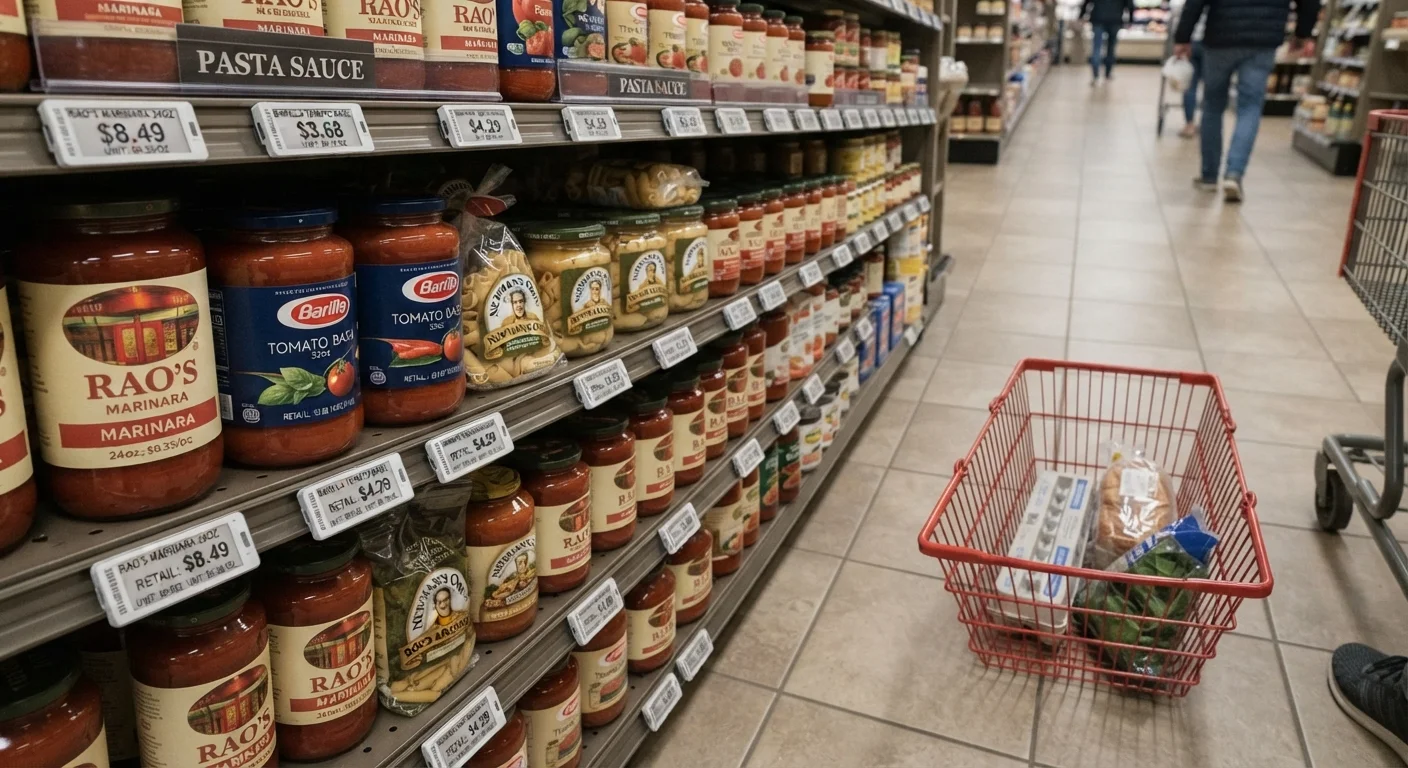
In the U.S., most grocery stores are required to display unit prices on shelf tags, though formatting varies by state and retailer. When unit prices aren't listed, the math is straightforward: divide the total price by the quantity or weight. A 32 oz bottle at $4.80 has a unit price of $0.15/oz. A 20 oz bottle at $3.40 comes out to $0.17/oz - a higher per-ounce cost despite the lower sticker price.
Watch for inconsistencies in the unit used. Two pasta brands might display price per ounce and price per serving respectively, making direct comparison look impossible. Standardize manually by converting to a common unit before comparing.
Unit Price
The cost of a product expressed per standard unit of measure - such as per ounce, per count, or per square foot. It allows fair comparison between products sold in different sizes or quantities.
Total Price
The full amount paid at the point of purchase, including all items in the package. This is the number that affects your immediate cash flow or budget.
Value
The practical benefit you receive relative to what you paid. High value means the product meets your needs at an appropriate cost; low value means some of what you paid was wasted or unnecessary.
Anchor Price
A reference price - often a 'was' or 'original' price - displayed alongside a sale price to make the discount appear more significant. Anchor prices may not reflect what consumers typically pay.
Effective Cost
The real per-unit cost after accounting for waste, spoilage, or unused portions. A product with a low unit price but high waste can have a much higher effective cost than it appears.
For a deeper walkthrough of this comparison method, unit price vs. sticker price explained covers the mechanics in detail.
Total Price and Value: The Other Half of the Equation
Even a low unit price can be a poor deal if the total price strains your budget or if you won't use what you buy. A warehouse-sized container of cooking oil may offer excellent unit economics - but if half of it goes rancid before you finish it, your effective cost per useful ounce climbs dramatically.
Value is personal and contextual. It factors in:
- Usability: Will you realistically consume or use the full quantity?
- Storage: Do you have space, and does the product keep well?
- Cash flow: A large upfront total price may not fit your current budget even if the unit price is favorable.
- Quality fit: A cheaper unit price on a product that doesn't meet your needs isn't savings - it's a different purchase.
Bulk buying is a case where total price and value misalign frequently. When bulk buying actually saves money depends on factors that go well beyond the per-unit figure. Also be aware that many purchases carry costs that don't appear at checkout - hidden costs buried in everyday purchases can erode apparent savings over time.
When Unit Price Isn't the Whole Story
A lower unit price doesn't automatically mean a better purchase. If a larger package costs more upfront than your budget allows, or if the product won't be fully used before it expires, the unit price advantage disappears. Always weigh unit price against your actual usage patterns and available storage before assuming bigger is better.
This article provides general consumer information and is not a substitute for personalized financial advice. Consult a qualified financial professional for guidance specific to your situation.