

Key Takeaways
- Whole-food plant-based staples like lentils, beans, and oats are among the most affordable groceries available.
- Protein and certain micronutrients require deliberate planning to meet on a plant-based diet.
- Heavily processed plant-based products can cost significantly more than whole-food alternatives.
- Budget plant-based eating works best when built around dried legumes, frozen produce, and whole grains.
- Consulting a registered dietitian is advisable before making major dietary shifts, especially for specific health conditions.
Whole-food staples are among the cheapest groceries
Dried lentils, canned beans, and oats typically cost well under $2 per pound, making them some of the most cost-effective sources of calories and protein available in US grocery stores.
Strong evidence links plant-heavy diets to health benefits
Major health organizations, including the American Heart Association, note that diets rich in vegetables, legumes, and whole grains are associated with reduced risk of cardiovascular disease and type 2 diabetes.
Reduces reliance on the most expensive grocery items
Meat and dairy are typically the costliest items per serving in a conventional diet; shifting emphasis to plant proteins can free up significant budget room each week.
Environmentally lower-impact food choices
Plant-based diets generally have a smaller greenhouse gas footprint per calorie than diets high in red meat, according to multiple life-cycle analyses published in peer-reviewed environmental journals.
High dietary fiber supports digestive health
Most Americans fall short of the recommended daily fiber intake; plant-centered diets naturally deliver substantially more fiber, which is associated with improved gut health and satiety.
Several nutrients require active supplementation planning
Vitamin B12, vitamin D, iron, zinc, and omega-3 fatty acids are harder to obtain adequately from plants alone, requiring either fortified foods or supplements - which add cost and complexity.
Processed plant-based products are often expensive
Packaged meat alternatives and dairy-free products frequently cost two to three times more per serving than whole-food options, undercutting the budget advantage if they dominate the cart.
Requires more meal planning and cooking time
Cooking dried legumes from scratch, preparing grains, and building balanced meals from whole ingredients demands more consistent kitchen time than convenience-food approaches.
Protein adequacy takes deliberate effort
Meeting protein needs through plants alone - particularly for active individuals or older adults - requires intentional food choices and an understanding of which plant foods are most protein-dense.
Social and dining-out situations become more complex
Restaurant menus and social gatherings frequently offer limited plant-based options, which can create friction and occasionally mean spending more to find suitable meals when eating out.
Our Verdict
Plant-based eating on a budget is genuinely achievable when the diet centers on whole foods rather than packaged alternatives. The nutritional benefits are well-supported, but require active attention to nutrients like vitamin B12, iron, and complete protein. The approach demands more planning and cooking time upfront, though many people find the habit builds quickly.
Best suited to health-conscious shoppers willing to cook from scratch, plan meals weekly, and invest a little time learning which plant foods cover key nutritional gaps.
Why Plant-Based Eating Appeals to Budget Shoppers
Dried beans, lentils, oats, brown rice, and frozen vegetables are consistently among the lowest-cost items in any US grocery store. When a plant-based diet is built around these whole-food staples - rather than packaged meat substitutes - it can meaningfully reduce weekly grocery spending. Research published in nutritional epidemiology journals consistently finds that plant-heavy dietary patterns are associated with lower food costs per calorie than diets centered on animal protein.
For shoppers already looking to stretch their dollars, this is a practical entry point. Practical strategies for eating well on a tight budget confirm that legumes and whole grains anchor affordable, nutritious meal planning. Pairing those with frozen produce for nutrition and value further keeps costs down without sacrificing nutrient quality.
Whole-food staples are among the cheapest groceries
Dried lentils, canned beans, and oats typically cost well under $2 per pound, making them some of the most cost-effective sources of calories and protein available in US grocery stores.
Strong evidence links plant-heavy diets to health benefits
Major health organizations, including the American Heart Association, note that diets rich in vegetables, legumes, and whole grains are associated with reduced risk of cardiovascular disease and type 2 diabetes.
Reduces reliance on the most expensive grocery items
Meat and dairy are typically the costliest items per serving in a conventional diet; shifting emphasis to plant proteins can free up significant budget room each week.
Environmentally lower-impact food choices
Plant-based diets generally have a smaller greenhouse gas footprint per calorie than diets high in red meat, according to multiple life-cycle analyses published in peer-reviewed environmental journals.
High dietary fiber supports digestive health
Most Americans fall short of the recommended daily fiber intake; plant-centered diets naturally deliver substantially more fiber, which is associated with improved gut health and satiety.
The Nutritional Trade-offs You Need to Plan Around
A whole-food plant-based diet can meet most nutritional needs, but several nutrients require deliberate attention. Vitamin B12 is found almost exclusively in animal products; the NIH notes that people avoiding animal foods entirely should use fortified foods or a supplement. Iron and zinc from plant sources are absorbed less efficiently than from meat - a factor called lower bioavailability - so intake targets may need to be higher. Calcium, omega-3 fatty acids, and vitamin D also deserve consideration.
Complete protein - meaning protein containing all essential amino acids - is easily obtained by combining varied plant foods throughout the day, such as rice and beans or oats with seeds. This is well-established nutritionally; no single meal needs to be perfectly balanced. For more on affordable protein options, see affordable protein sources nutritionists recommend.
A Note on Special Populations
Pregnant individuals, young children, older adults, and people managing chronic conditions have different nutritional requirements that make generalized plant-based guidance insufficient. If you fall into any of these groups, consult a registered dietitian before significantly altering your diet. A professional can help identify specific nutrient gaps and safe, individualized strategies.
Where Costs Quietly Climb
The budget appeal of plant-based eating erodes fast when packaged products enter the cart. Plant-based burgers, dairy-free cheeses, and ready-made meat alternatives are typically priced at a significant premium over their conventional counterparts - sometimes two to three times more per serving. These products are also often more heavily processed than whole-food options and may contain high levels of sodium or saturated fat.
Shopping habits matter too. Reaching for trendy superfoods, specialty grain blends, or organic-only produce without a clear plan can quietly inflate costs. Common grocery shopping habits that undermine a healthy diet - like skipping a list or misreading health claims - apply just as much to plant-based shoppers as anyone else.
Several nutrients require active supplementation planning
Vitamin B12, vitamin D, iron, zinc, and omega-3 fatty acids are harder to obtain adequately from plants alone, requiring either fortified foods or supplements - which add cost and complexity.
Processed plant-based products are often expensive
Packaged meat alternatives and dairy-free products frequently cost two to three times more per serving than whole-food options, undercutting the budget advantage if they dominate the cart.
Requires more meal planning and cooking time
Cooking dried legumes from scratch, preparing grains, and building balanced meals from whole ingredients demands more consistent kitchen time than convenience-food approaches.
Protein adequacy takes deliberate effort
Meeting protein needs through plants alone - particularly for active individuals or older adults - requires intentional food choices and an understanding of which plant foods are most protein-dense.
Social and dining-out situations become more complex
Restaurant menus and social gatherings frequently offer limited plant-based options, which can create friction and occasionally mean spending more to find suitable meals when eating out.
~$1.50
Average cost per serving of dried lentils (US)
USDA food price data consistently places dried legumes among the lowest cost-per-serving protein sources available in US retail grocery stores.
95%
Americans falling short of fiber recommendations
According to the Dietary Guidelines for Americans, dietary fiber is considered a nutrient of public health concern due to widespread under-consumption.
2-3×
Price premium of packaged plant-based meat alternatives
Multiple consumer price analyses have found that branded plant-based meat products routinely cost significantly more per serving than conventional ground beef or chicken.
Making It Work: Practical Starting Points
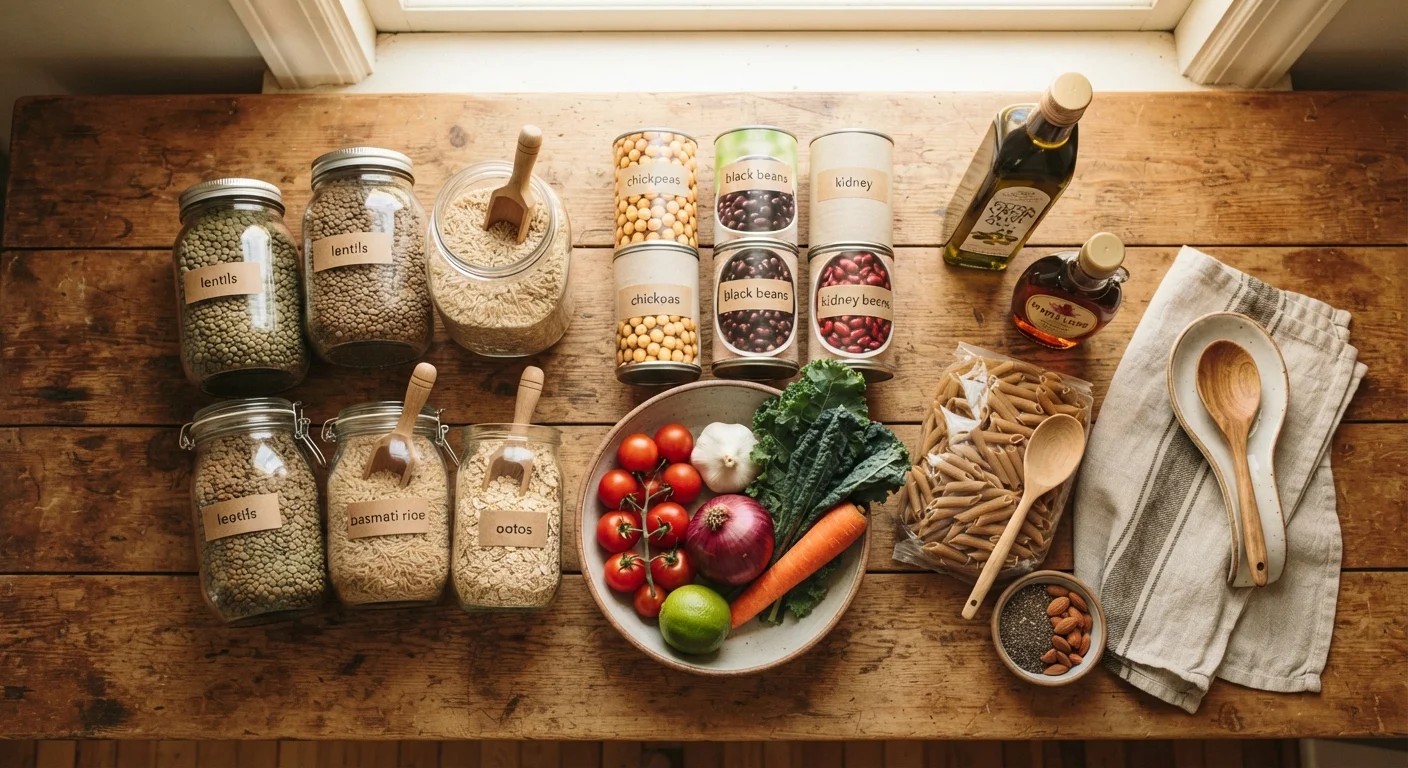
The most reliable way to keep plant-based eating affordable is to build meals from a short list of versatile staples. Dried lentils, canned chickpeas, oats, brown rice, pasta, and seasonal or frozen vegetables form a flexible, nutrient-dense foundation. A comparison of cheap carbohydrates like oats, rice, pasta, and bread can help you decide which grains to stock based on nutrition and cost-per-serving.
Batch cooking reduces both time and food waste - two factors that affect whether any eating strategy is sustainable long-term. Planning meals before shopping, rather than browsing and deciding, helps avoid impulse purchases that don't fit a plant-centered pattern. Connecting your food decisions to a broader smart spending framework can reinforce these habits across the entire grocery budget.
This article is for general informational purposes only and does not constitute medical or nutritional advice. Consult a registered dietitian or qualified healthcare professional before making significant changes to your diet, especially if you have an existing health condition.