

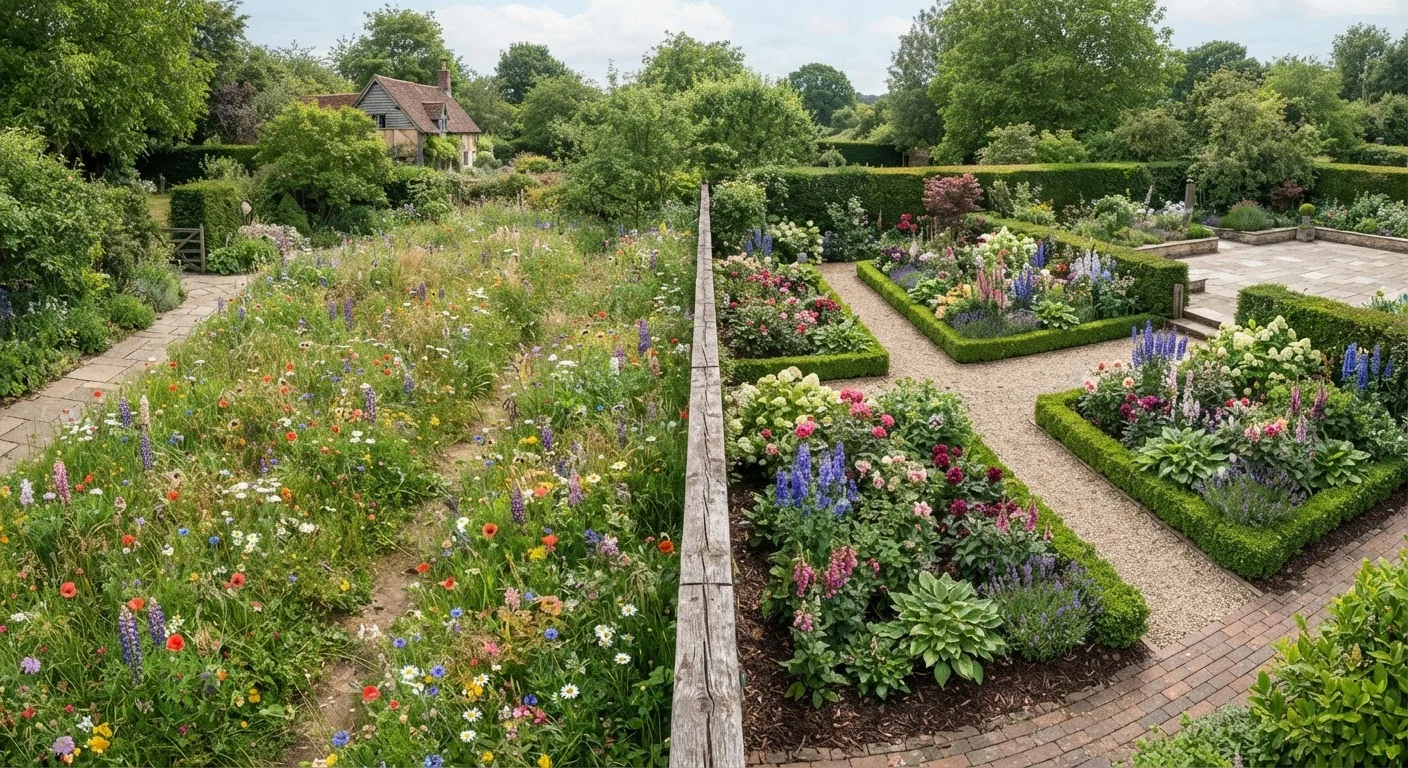
Key Takeaways
- Native plants typically require less water, fertilizer, and pest control once established in their home region.
- Ornamental exotics can fill aesthetic gaps but may demand more ongoing care and inputs.
- Some exotic species become invasive and can harm local ecosystems - research before you plant.
- A thoughtfully mixed garden can balance visual appeal with lower long-term maintenance costs.
- Local cooperative extension offices are a reliable free resource for regional plant recommendations.
Our Verdict
For most budget-conscious homeowners, native plants deliver the strongest return: lower water bills, reduced fertilizer spending, and less time spent fighting pests. Ornamental exotics earn a place when specific aesthetic goals can't be met locally - but they work best when chosen carefully and blended with natives rather than planted wholesale.
| Best for | Recommended |
|---|---|
| Homeowners prioritizing low effort and cost | Native plants |
| Gardeners seeking specific colors, forms, or seasonal interest | Non-invasive ornamental exotics |
| Those wanting to support local wildlife and pollinators | Native plants |
| Experienced gardeners willing to manage higher-input specimens | Carefully selected exotic varieties |
Defining the Terms: What Counts as Native or Exotic?
A native plant is one that evolved naturally in a specific region without human introduction. It has co-adapted with local soils, rainfall patterns, insects, and wildlife over thousands of years. An ornamental exotic (also called a non-native or introduced species) was brought from another region or country, usually for its visual appeal.
The distinction matters practically. Native plants are already calibrated to your climate - they don't need you to recreate conditions from elsewhere. Exotics, by contrast, may thrive, struggle, or - in some cases - escape into surrounding landscapes and crowd out native vegetation. Not all exotics are invasive, but some well-known ornamentals, such as English ivy and burning bush, have caused documented ecological problems in parts of the US. Before purchasing any non-native species, check your state's invasive species list, available through most state agricultural or environmental agencies.
For garden planning that goes beyond plant selection, see our guide to raised beds vs. in-ground planting for help choosing the right physical setup.
Cost and Maintenance: Where the Real Differences Show Up
The upfront price of a plant tag rarely reflects its true long-term cost. Native plants generally carry lower ongoing expenses once they clear the establishment period - typically one to two growing seasons. After that, many require little to no supplemental irrigation, minimal fertilizing, and far less chemical pest management because local insects and disease pressures have evolved alongside them.
Ornamental exotics vary widely. Many perform perfectly well with ordinary care, but those sourced from dramatically different climates may need amended soil, frequent watering, or winter protection. These inputs add up. A single tender exotic that requires annual replacement or mulched overwintering can cost more over five years than a native shrub that simply grows.
70%
Less irrigation needed by established natives
Native plants adapted to local rainfall patterns can use significantly less supplemental water than non-adapted exotics, according to general horticultural guidance from US cooperative extension services.
4x
More caterpillar species supported by native oaks
Research cited by the National Wildlife Federation suggests native oak trees support far more native caterpillar species than comparable non-native ornamental trees - directly benefiting nesting birds.
If keeping garden costs down is a priority, the low-cost garden improvement strategies outlined in our related guide pair naturally with a native-first approach - many natives can be propagated from divisions or seed swaps at minimal expense.
Ecological Impact and Wildlife Value
Native plants support local food webs in ways that most exotics cannot replicate. Research by entomologist Doug Tallamy and others has highlighted that many specialist insects - including the caterpillars that songbirds depend on - are tied to specific native plant genera. A yard with even a modest native plant component can meaningfully support pollinator and bird populations compared to an all-exotic landscape.
That said, some exotic plants do provide nectar or shelter for generalist species. The difference lies in the depth of ecological relationship: native plants tend to support more species at more life stages. For gardeners concerned about pest pressure specifically, a diverse native planting can attract natural predators, reducing the need for intervention. Our garden pest identification guide can help you recognize what's causing damage before reaching for a control product.
Start With Your Local Extension Office
Every US state has a cooperative extension service staffed by university-trained horticulturists who can recommend native plants suited to your specific county, soil type, and sun conditions - often for free. Their plant lists are regionally accurate and research-backed, making them far more reliable than generic national guides. Search '[your state] cooperative extension native plants' to find your local office.
Aesthetic Trade-Offs and Finding the Right Balance
One honest limitation of a purely native garden: regional native palettes may feel limited, particularly if you're drawn to specific colors, forms, or bloom times not naturally present in your area. This is where well-chosen exotics can genuinely add value - filling a visual gap without requiring an ecological sacrifice, provided they're non-invasive.
| Native Plants | Ornamental Exotics | |
|---|---|---|
| Water needs (established) | Low - adapted to local rainfall | Variable - often higher |
| Fertilizer requirements | Minimal | Moderate to high for some species |
| Pest and disease resistance | Generally higher in native range | Can be vulnerable to unfamiliar pests |
| Wildlife and pollinator support | High - supports specialist species | Lower - mainly generalist appeal |
| Design flexibility | Limited to regional palette | Broad range of colors and forms |
| Invasive risk | None - already part of ecosystem | Varies - research required before planting |
| Long-term cost | Lower after establishment | Higher for tender or high-input species |
A practical approach for most homeowners is a mixed planting strategy: use natives as the structural backbone - trees, shrubs, and groundcovers - and introduce non-invasive exotics as accent plants where needed. This keeps maintenance manageable while giving you design flexibility. For a fuller framework on plant selection and layout, the low-maintenance garden guide walks through how to arrange plants so the garden largely cares for itself. You might also explore companion planting principles to get more from whatever mix you choose.